Loading...
Serving Orange, CA and surrounding areas. (657) 333-3989
Plain gray concrete does not do justice to your outdoor space. We install stamped concrete in Orange with the right pattern, color, and base prep that holds up through local soil movement and Southern California sun.
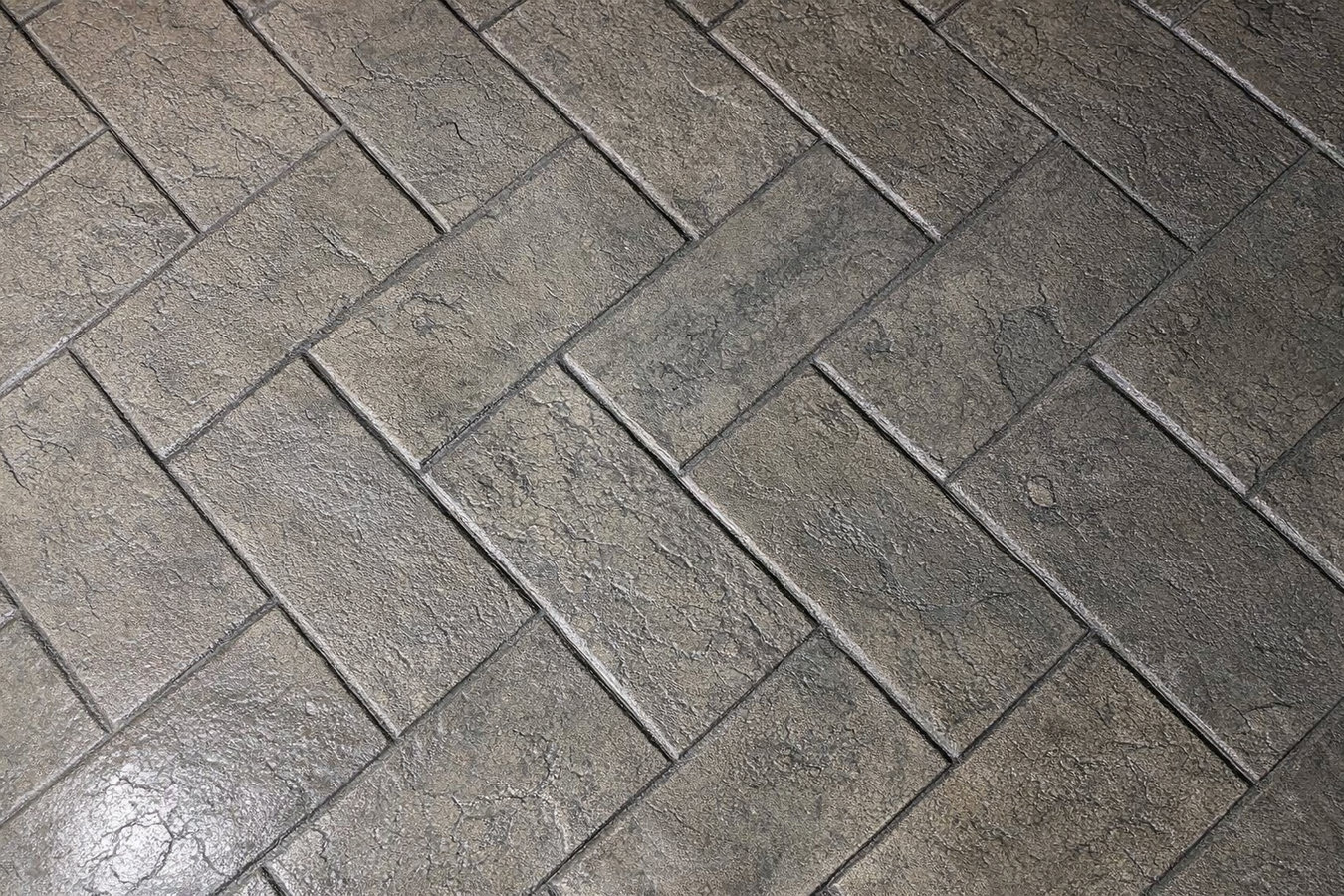
Stamped concrete services in Orange, CA transform a standard poured slab into a surface that looks like brick, stone, or slate by pressing rubber mats into the concrete while it is still wet, adding color before or during the pour, and sealing the finished surface, most residential projects take five to seven days from pour to full use.
Many homeowners in Orange consider stamped concrete when plain gray slabs no longer match the rest of their property. It delivers the look of natural stone without the shifting and weeding problems that come with individual pavers, which is why a stamped concrete patio suits most Orange backyards better than loose-laid stone. The finished surface is one continuous slab with no gaps to maintain. If your project includes adjacent pathway work, our concrete sidewalk building service can handle connected flatwork as part of the same job.
The most important thing most homeowners do not know going in is that the visual result depends on what happens under the surface before any stamping begins. Orange County clay soils shift with seasonal moisture, and a stamped surface poured over a poorly compacted base will crack regardless of how beautiful the pattern looks on day one.
Cracks wider than a pencil or sections that sit lower than the surrounding surface indicate the slab has reached the end of its useful life. Patching individual spots helps temporarily, but if damage is spread across the surface, a full replacement with stamped concrete is usually the more cost-effective long-term choice.
In Orange's competitive real estate market, outdoor surfaces are among the first things buyers and neighbors notice. If your concrete is stained, discolored, or just plain gray and worn, stamped concrete can transform the same footprint into something that looks intentional and well-maintained without a full landscape redesign.
Orange has many mature trees, and roots are a common cause of concrete heaving, where one section pushes up higher than the one next to it. This creates a tripping hazard and means the slab underneath has been compromised. If sections no longer sit flat, have a contractor assess whether repair or replacement makes more sense.
If water sits on your concrete surface for hours after rain, the slope is wrong or the surface has settled unevenly. Southern California's occasional heavy rain events reveal drainage problems that were not obvious before. Stamped concrete can be poured with the correct pitch built in from the start, solving the drainage problem while upgrading the look.
Every one of our stamped concrete services in Orange follows the same foundation: demolition of any existing surface, thorough soil compaction, a gravel base sized to site conditions, and forms set to the correct slope before a single bag of concrete is ordered. What changes from project to project is the pattern and color combination - a stamped concrete patio typically calls for different pattern choices than a driveway or pool deck. The most popular patterns in Southern California include flagstone, Ashlar slate, cobblestone, and wood plank. Colors range from warm earth tones to cool grays, and most projects use a base color plus a darker accent pressed in during stamping to make the pattern stand out.
We bring physical samples to your home during the estimate visit so you can see how colors look in your actual outdoor light, against your house, before anything is mixed. That step prevents most of the color regrets homeowners encounter when choosing from catalog photos. For homeowners whose project connects to other decorative areas, our decorative concrete service covers a wider range of surface treatments, including scoring, staining, and exposed aggregate, that can complement or extend a stamped area across your property.
After the pour and stamping are complete, the surface cures for 24 to 48 hours before we apply a clear protective sealer that locks in the color and guards against staining from oil, food, and foot traffic. We walk you through the resealing schedule and care guidelines at project completion so you know exactly what the surface needs to stay looking sharp for years.
Best for homeowners who want an outdoor living surface that looks like natural stone without the weed and shifting problems of individual pavers.
Suits homeowners looking for a decorative curb-appeal upgrade that holds up to vehicle traffic and requires less maintenance than pavers.
A good fit around pools where a textured, slip-resistant surface that looks upscale is the priority and plain gray concrete falls short.
Ideal for connecting a driveway, front entry, or backyard area with a surface that matches adjacent stamped flatwork.
Orange County clay-heavy soil is the factor most homeowners never think about until they are looking at a cracked surface a few years after installation. Clay swells when the winter rains hit and contracts again when the dry season returns. That movement puts stress on the slab from below, and a contractor who does not account for it during base preparation will leave you with a cracked decorative surface that cannot simply be patched and resealed. We adjust base depth and compaction based on the specific soil conditions we find on each lot. The California Geological Survey documents expansive soil conditions throughout much of Orange County, confirming this is a genuine local concern.
The City of Orange requires permits for most stamped concrete projects, particularly those involving driveway approaches, drainage changes, or work in the public right-of-way. The City of Orange Building Division issues those permits and inspects the finished work. We pull every required permit as part of the job so the work is on official record and you are protected when you sell. Homeowners in Anaheim and Garden Grove face similar permit requirements, and we handle those projects too.
A significant share of Orange's residential neighborhoods fall under HOA guidelines. Some associations restrict hardscape color choices, limit the percentage of yard that can be covered in concrete, or require pre-approval before work begins. We ask about HOA requirements during every estimate visit and design the project to meet those guidelines before a single form is set, so you are not dealing with a violation notice after the job is done.
We respond within one business day. You describe the project, we ask a few questions about the area and your pattern ideas, and we schedule a free on-site visit. We need to see the space and measure it to give you a real number.
We measure the area, check existing concrete and soil conditions, and walk you through pattern and color options with physical samples in your hand. This is when we discuss permits, drainage, and what happens to any concrete being removed.
We pull the required permit from the City of Orange Building Division, typically a few days to two weeks depending on city workload. Old concrete is demolished and hauled away, the ground is graded and compacted, and forms are set before any concrete arrives on site.
Concrete is poured, stamped while still workable, and colored. After curing 24 to 48 hours, we apply the protective sealer. We walk you through the finished surface, point out control joints, and explain the care schedule before we leave.
We bring pattern and color samples to your Orange home at no charge. No commitment required to get a written estimate.
(657) 333-3989We show you pattern and color samples in your actual outdoor space before the concrete is mixed. That is the only reliable way to know how a color reads against your house and landscaping, and it prevents the color regret that comes from choosing out of a catalog.
Orange County expansive clay soils crack stamped concrete when a contractor skips proper compaction. We account for local soil conditions before any form is set, because surface beauty means nothing if the slab starts failing in year two.
We handle the City of Orange Building Division permit process from application through city inspection. You do not make a single call to the city, and the finished work is on official record, which matters when you sell your home.
Many Orange neighborhoods have hardscape rules that catch homeowners off guard after the pour. We ask about your HOA requirements at the estimate stage and design the project around them, so the finished surface meets your association's guidelines without any post-project disputes.
A beautiful stamped concrete project starts with what the homeowner never sees: the soil prep, the base depth, and the permit paperwork. Getting those right is what separates a surface that looks great for 25 years from one that starts cracking after the first rainy season. You can verify any California contractor's license in under a minute at the California Contractors State License Board.
New concrete walkways built to the correct width, slope, and thickness, with permits handled for any work connecting to a public sidewalk.
Learn moreSurface treatments including scoring, staining, and exposed aggregate that extend or complement stamped concrete across your entire property.
Learn moreSpring books faster than most homeowners expect. Lock in your start date now and we will bring samples to your home so you can choose your pattern with confidence.