
Loading...
Serving Orange, CA and surrounding areas. (657) 333-3989
Cracked, uneven, or missing walkways create hazards and drag down your home's curb appeal. We build concrete sidewalks in Orange that hold up through local soil movement, pass city inspection, and stay safe underfoot for years.
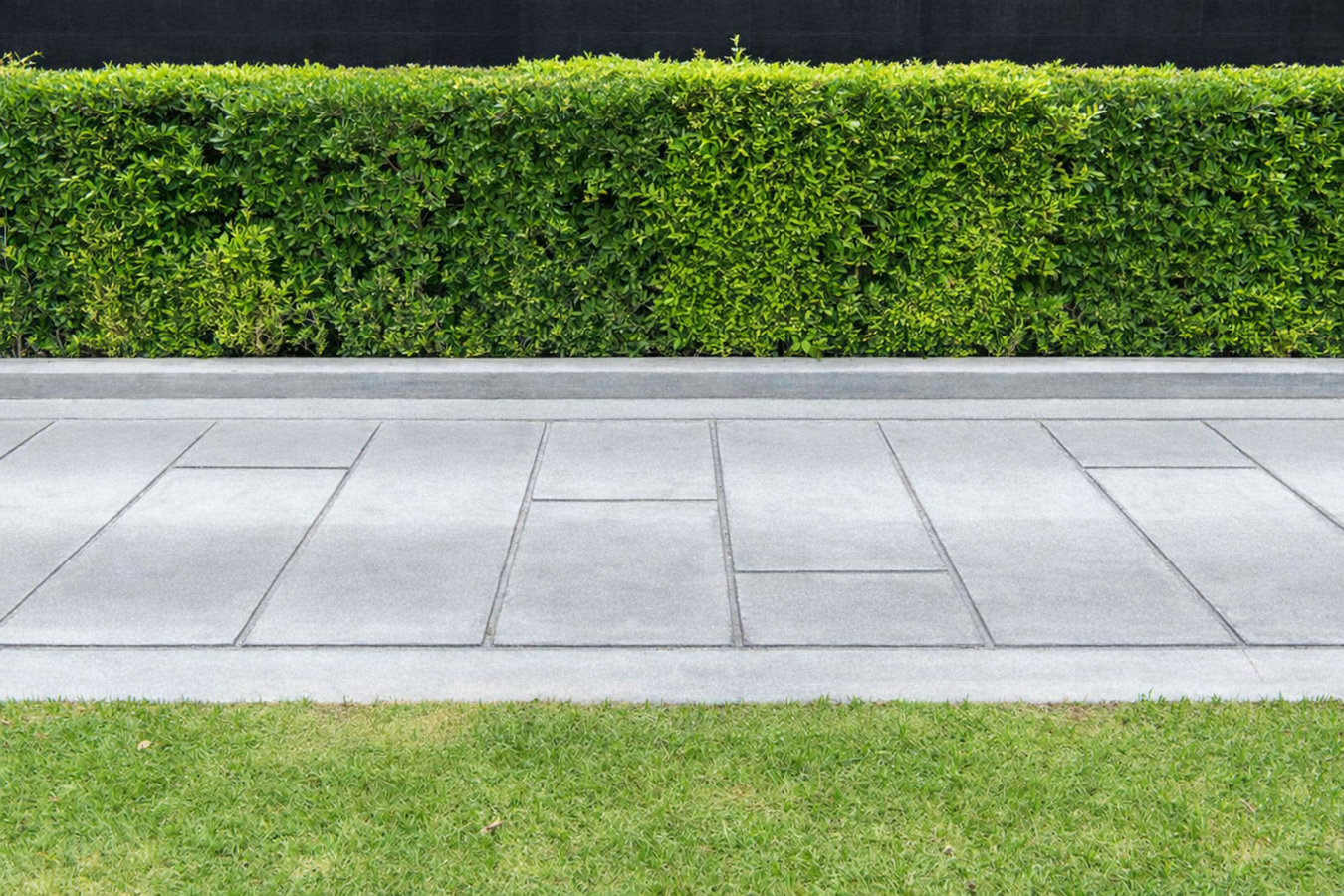
Concrete sidewalk building in Orange, CA means removing whatever is there now, preparing and compacting the ground, setting forms, and pouring a slab at least four inches deep with control joints cut at regular intervals, most residential walkway projects wrap up in one to two days of construction plus a 24 to 48 hour curing period before foot traffic resumes.
Many homeowners in Orange come to us with a sidewalk that has been cracking for years or a front path that simply never existed. The issues look different on the surface, but the solution starts the same way: with the ground underneath. Orange's clay soils expand and contract with every wet and dry season, and that movement is one of the main reasons walkways here crack earlier than homeowners expect. If your project also includes driveway work, our concrete driveway building service can handle both as part of the same job, so the finished surfaces connect cleanly and you deal with one contractor instead of two.
Orange's warm climate is mostly an advantage for concrete work. You can schedule sidewalk projects almost any time of year. The one exception is peak summer heat, when an experienced crew will start the pour early in the morning and take extra steps to keep the surface from drying too fast before the concrete has properly hardened underneath.
Small hairline cracks are normal over time, but when a crack is wide enough to fit a pencil into, or when one side sits higher than the other, the slab has shifted and is no longer structurally sound. In Orange, where clay soils swell and shrink with seasonal moisture, this kind of cracking is especially common in older walkways built in the 1960s and 70s.
If you walk across your sidewalk and feel a section shift or wobble slightly, the ground underneath has settled unevenly. This is a tripping hazard that tends to get worse over time, not better. It is one of the most common issues in Orange's older neighborhoods where original sidewalks have been in place for decades.
When the top layer of concrete breaks apart into small chips or a sandy powder, the surface has deteriorated past the point of simple repair. This breakdown is accelerated by Orange's intense sun exposure and dry heat, which wears down older concrete that was never sealed or finished to the right texture.
Some homeowners in Orange's older neighborhoods have an outdated or missing walkway, a dirt path, stepping stones, or nothing at all. If guests are navigating uneven ground to reach your door, a new concrete sidewalk adds both safety and curb appeal to the whole front of the property.
Every sidewalk we build in Orange starts with the same foundation: removing whatever is there now, digging to the right depth, leveling and compacting the soil, and setting forms along the edges before the concrete is ordered. The finished product is a slab at least four inches deep, textured on the surface so it stays safe when wet, and scored with control joints at regular intervals so any expansion and contraction over the years follows a planned path rather than cracking at random. For most front walkways and residential paths, a clean broom finish is the right choice: durable, low maintenance, and straightforward to keep clean.
For homeowners who want something more decorative, we also install stamped and colored sidewalks that complement an adjacent patio or driveway. Stamped sidewalks match the pattern of surrounding flatwork and make the whole outdoor space feel intentional. If your project connects to a garage floor or interior slab, our garage floor concrete service handles that work so everything pours from the same contractor and the transition points are finished cleanly.
Every project includes an in-person estimate so we can measure the actual site, check the slope and drainage, and assess any base conditions that need extra attention before we quote. You get a written breakdown of labor, materials, permit fees, and cleanup, with no items added after the work starts.
Best for homeowners who want a clean, safe front path or backyard walkway at the most straightforward price point.
Suits homeowners who want their walkway to match adjacent stamped patio or driveway work in pattern and color.
Ideal when an older slab is cracked, heaved, or has deteriorated past the point that patching makes sense.
A good fit for properties with no clear walkway between the street, driveway, or entry points on the lot.
A large share of Orange's homes were built between the 1950s and 1980s. Sidewalks from that era are now 40 to 70 years old and commonly show cracking, heaving, and surface deterioration. Orange's clay-heavy soil is a major reason: it swells when the winter rains arrive and contracts again during the long dry season, putting stress on the slab from below year after year. A new sidewalk built with proper base compaction and the right slab thickness accounts for that movement. Portland Cement Association guidelines for residential concrete construction address exactly these base preparation and curing requirements.
The City of Orange's Public Works Department oversees any sidewalk work that touches or replaces a public sidewalk along the street. Your contractor needs to pull a permit before work begins, and the finished sidewalk gets inspected. That inspection is good news for you: it means the city checks that the work meets local safety and accessibility standards. We handle the permit process from application through sign-off. The City of Orange Public Works Department is the office that issues these permits and coordinates inspections. We also serve homeowners in Garden Grove and Santa Ana, where similar permitting requirements apply to sidewalk work near public streets.
Orange also has a significant number of planned communities with active HOAs, particularly in neighborhoods developed from the 1970s onward. If your home is in one of these communities, your HOA may have rules about sidewalk materials, finishes, or colors, and may require pre-approval before work begins. We ask about HOA requirements at the estimate stage so the design meets your association's guidelines from the start.
We respond within one business day. You describe what you have now and what you want, and we schedule a free on-site visit. We need to measure the space and assess the existing surface before we can give you a real number.
We measure the area, check soil conditions, and identify whether a permit is required from the City of Orange. You get a written quote that breaks out demolition, materials, labor, and any permit fees so there are no surprises.
We submit the permit application to the City of Orange Public Works Department, typically a few days to two weeks for processing. Once approved, old concrete is removed and hauled away, the ground is dug to depth, leveled, and compacted, and forms are set before any concrete is poured.
Concrete is poured, finished to the agreed texture, and marked off-limits for 24 to 48 hours. If a permit was required, the city inspector signs off before the permit closes. We walk the finished work with you before we leave and let you know when it is safe for full use.
We respond within one business day and come to your Orange property to measure and assess before quoting. No charge, no obligation.
(657) 333-3989Orange's summers regularly push into the 90s, and concrete poured in peak heat can crack before it finishes curing. We schedule pours for early morning in summer months and take active steps to slow surface drying, so your sidewalk holds up from the first season forward.
Orange County expansive soil conditions cause sidewalks to crack when a contractor rushes the base preparation. We compact the ground, set the correct slab depth, and cut control joints at the right spacing on every job, which is how walkways in this area stay level for years instead of months.
Sidewalk work near a public street in Orange requires a permit from the City of Orange Public Works Department. We file the application, coordinate the inspection, and close the permit, so the work is fully on record. You do not need to make a single call to the city.
A significant share of Orange's walkways date to the 1950s through 1970s, and replacing concrete that old comes with specific considerations, from thicker slabs to tree root clearance. Orange Concrete Company has worked on properties throughout the city long enough to know what those jobs typically involve and how to quote them accurately.
A sidewalk that lasts is the result of decisions made before the pour, not during it. Soil compaction, slab thickness, and early morning scheduling in summer are the factors that determine whether your new walkway looks good in year one or year fifteen. Before hiring any concrete contractor in Orange, confirm their license is active at the California Contractors State License Board. It takes about two minutes and shows insurance status and any complaint history.
Interior garage slab work that connects cleanly to an adjacent driveway or walkway, finished to the right texture and thickness for vehicle use.
Learn moreFull driveway replacement or new construction, permitted through the City of Orange, with base prep built for local soil conditions.
Learn moreSidewalk jobs book early as spring arrives in Orange County. Call or submit an estimate request today and we will get back to you within one business day.