Loading...
Serving Orange, CA and surrounding areas. (657) 333-3989
Plain gray concrete does not have to be the only option. We install stamped, stained, and exposed aggregate concrete in Orange that holds up to local sun and soil conditions and looks the way you pictured it.
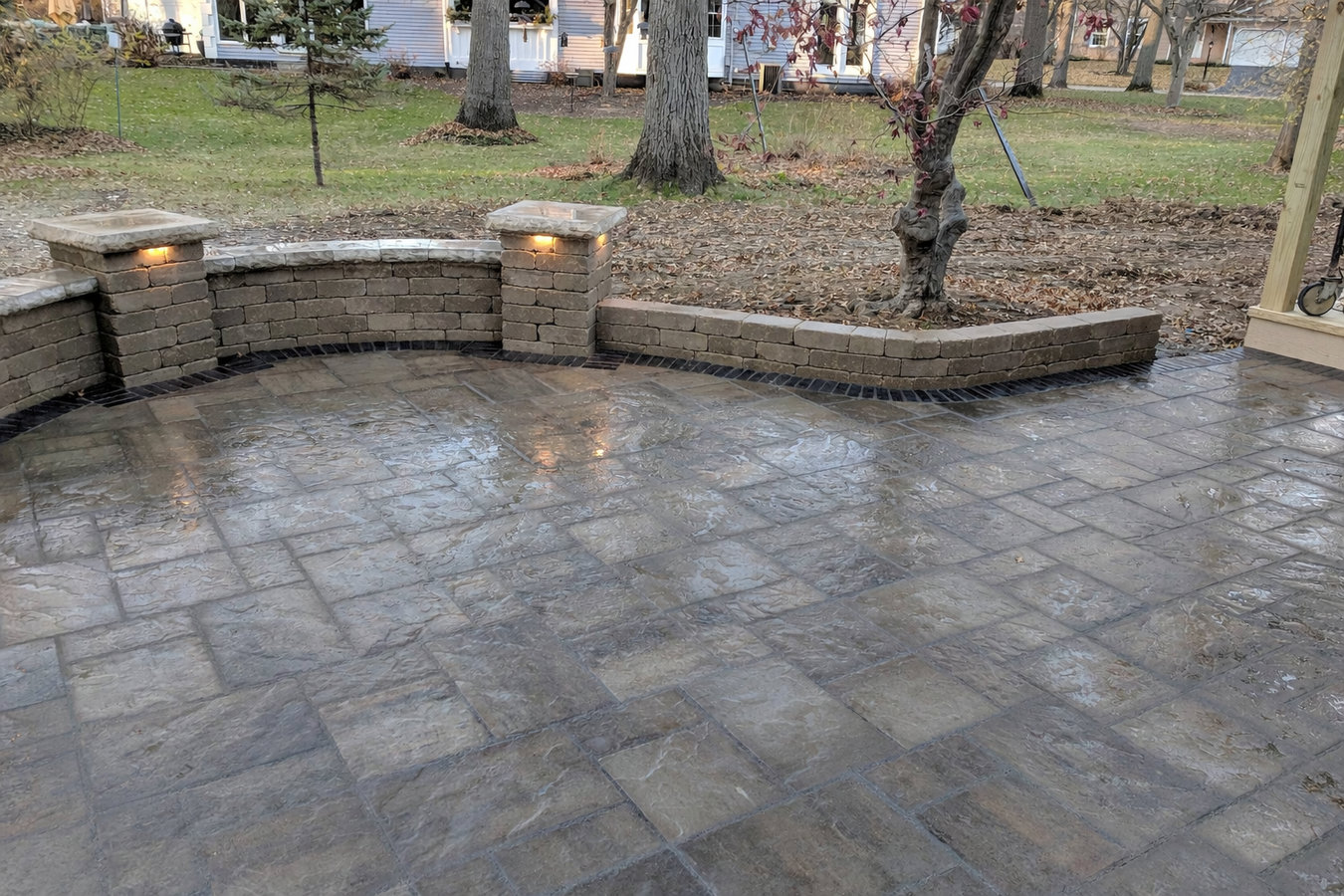
Decorative concrete in Orange, CA is regular concrete that has been colored, stamped, stained, or polished to look like stone, brick, tile, or wood, providing the durability of concrete with a finished look, and most residential projects install in one to three days with a cure period of several days before full use.
Homeowners in Orange reach us for decorative concrete when a plain slab no longer fits what they are trying to build, whether that is an outdoor kitchen surround, a pool deck that looks finished, or a front driveway that does not make the house look neglected. The material itself is concrete, which means it handles Southern California heat well. The difference is in the surface treatment, color consistency, and the sealer that keeps it looking that way for years. If you are also considering a stamped concrete application specifically, stamped concrete services covers that in detail.
Color consistency is where inexperienced contractors show their limitations. Achieving even color requires precise mixing, careful timing, and experience reading how the concrete will look once it dries. Colors always lighten as they cure. A contractor who has completed dozens of decorative concrete projects in this climate will produce predictable results. One who does it occasionally will not.
Cracks wider than a pencil, sections that have lifted or dropped, or edges that have crumbled are signs the surface has reached the end of its useful life. In Orange, clay-heavy soils that shift with seasonal moisture changes are a common cause of this kind of damage. Patching rarely holds once the movement has started; a properly prepared decorative replacement addresses the root issue.
Years of Orange County sun, leaf stains, oil drips, and general wear leave plain concrete looking dull and discolored. When pressure washing no longer makes a real difference, decorative concrete - whether a fresh overlay, a stain, or a full replacement - can transform the look of the space without a full demolition.
If you are adding a pergola, outdoor kitchen, or new landscaping, a plain gray slab can look out of place next to the rest of the design. Decorative concrete lets you choose colors and textures that tie the space together so the whole area feels intentional rather than assembled from mismatched parts.
Pool decks in Orange take a beating from sun, chlorine splash, and foot traffic from wet swimmers. A surface that feels rough underfoot, has visible cracks near the pool edge, or becomes slippery when wet is both a comfort and a safety issue. Decorative concrete resurfacing adds a slip-resistant texture and a fresh look at the same time.
The four main decorative concrete techniques each create a different look and serve different purposes. Stamped concrete is pressed with a pattern while still wet, producing the appearance of stone, brick, or tile at a lower cost than natural materials. Stained concrete uses acid or water-based stains applied after curing to create rich, translucent color that brings out the natural variation in the surface. Exposed aggregate finishes remove the top layer to reveal the stones inside the mix, which creates a textured surface with excellent traction. Polished concrete is ground smooth and shiny, making it a popular choice for interior slabs and garage floors.
For surfaces that are damaged but structurally sound, a concrete overlay is often the right call. It means applying a fresh layer over the existing surface rather than tearing it out, which reduces cost and project time. We also handle concrete retaining walls for projects where the landscape grade requires structural support alongside the decorative flatwork, so you have one contractor coordinating both elements.
Every project ends with a sealer application. In Orange's climate, the type of sealer matters: we use UV-resistant formulas rated for Southern California's high sun exposure, not general-purpose products that fade within a year. We also give you a simple resealing schedule so your surface keeps looking the way it did when we finished.
Best for driveways, patios, and walkways where the homeowner wants a stone or brick look without the cost or upkeep of natural pavers.
Suits existing slabs in sound condition where a color transformation is the goal, rather than a texture change.
A practical choice for pool decks, paths, and surfaces where slip resistance and a natural stone look are both priorities.
Ideal for interior floors, garage spaces, and surfaces where a smooth, low-maintenance, high-sheen finish is the priority.
Orange sits at the inland edge of the Los Angeles Basin and receives over 280 sunny days per year. That level of UV exposure accelerates color fading on stamped and stained concrete surfaces faster than it would in a cloudier climate. It also means the sealer your contractor applies at the end of the job is not an optional finishing touch; it is the main thing standing between your investment and a faded, chalky surface within a couple of years. We use UV-resistant sealers rated for Southern California conditions on every decorative concrete job in Orange.
Orange also has a significant number of planned communities and HOA-governed neighborhoods, particularly in areas like Serrano Heights and Belmont. Many HOAs have rules about driveway materials, colors, and finishes and require design approval before any concrete work begins. A contractor who has worked in these communities knows what submissions typically require and can help you put together a package that gets approved without unnecessary back-and-forth. We serve homeowners throughout Orange and into neighboring cities like Anaheim and Costa Mesa, where similar HOA and permit considerations apply.
Clay-heavy soils in parts of Orange County are a real factor in how long decorative concrete holds up. Soil that expands and contracts with the seasons puts stress on slabs from below, and that stress shows up as cracking if the base was not prepared correctly. Homeowners in Santa Ana and other parts of the area face the same condition. The solution is proper subbase compaction and gravel depth before any concrete is poured, not a thicker decorative layer on top of an unstable foundation.
We ask about the area you want covered, whether you have an existing look in mind, and whether there is concrete that needs to come out. This helps us show up to your property prepared to give you an honest assessment and real options, not a generic quote from a measuring tape.
We visit your property, measure the area, assess the existing surface, and walk through color, pattern, and finish options with actual samples. You get a written quote broken down by what is included. We do not pressure you to decide on the spot and reply to all estimate requests within one business day.
For driveways and large patios in Orange, we pull the required building permit from the City of Orange Building Division before work begins. If you have an HOA, we help you put together the design approval submission. Both processes run in parallel when possible to keep your timeline on track.
Demolition of old concrete happens first if needed, then base prep, then the pour. Stamping or finishing happens while the concrete is still workable, so the crew moves efficiently. Once cured, we apply the UV-resistant sealer and walk you through the finished surface, including your specific timeline for foot traffic, vehicle use, and resealing.
We bring samples to the estimate, give you a written quote, and handle permits and HOA submissions. No obligation, no sales pressure.
(657) 333-3989Orange gets over 280 sunny days per year, and most standard concrete sealers are not rated for that kind of sustained UV exposure. We use sealers specified for Southern California conditions and walk you through a simple resealing schedule so your surface holds its color for years, not just the first season.
Orange has dozens of planned communities where HOA approval is required before any driveway or patio work begins. We have navigated this process for homeowners throughout Orange County and know what a complete submission looks like so the approval does not become a delay that pushes your project back by weeks.
Clay soil movement is one of the leading causes of cracking in decorative concrete across this region. Before we pour anything, we assess the existing ground, compact the subbase, and lay the right gravel depth for your site. Contractors who skip this step are the reason decorative concrete develops a reputation for cracking early.
One of the most common homeowner complaints about contractors is a final invoice that does not match the original number. We give you a written, itemized quote after the on-site visit and do not start work until you have signed off on it. That commitment holds even if the job takes longer than anticipated.
Decorative concrete done well is a long-term investment, and the decisions that determine how it holds up are made before the truck arrives, in soil prep, sealer selection, and pour timing. That is where our focus goes on every project in Orange. The Concrete Network's decorative concrete resource is a useful reference for understanding the differences between finish types before your first estimate conversation.
Structural concrete walls that hold back soil and create usable level space in Orange yards with uneven grade.
Learn morePattern-pressed concrete for driveways, patios, and walkways that replicates stone, brick, or tile at a lower material cost.
Learn moreWe are scheduling projects now. Call or submit a request online and we will get back to you within one business day, with samples and a written quote in hand when we arrive.