
Loading...
Serving Orange, CA and surrounding areas. (657) 333-3989
Sunken driveways, patios, and walkways in Orange sink because of clay soil movement and seasonal rain cycles. We lift them back to level the same day, at a fraction of replacement cost.
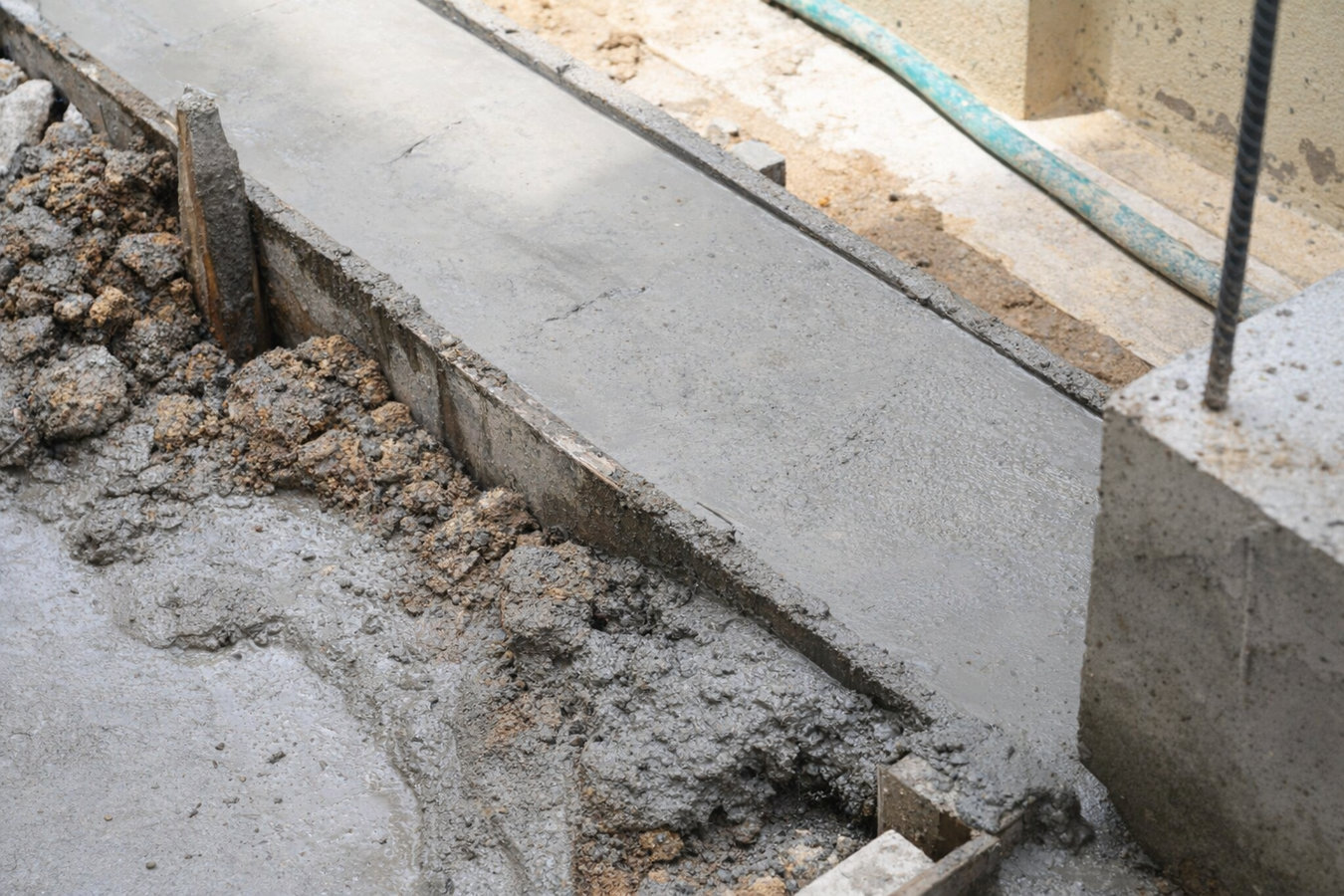
Foundation raising in Orange, CA lifts sunken concrete slabs back to their original level by pumping a material beneath them to fill the void and push the concrete up - most residential jobs are completed in a single day with small patch holes and no demolition.
If your driveway, patio, or walkway has a visible dip, pools water after rain, or has developed a trip edge at a control joint, the slab has likely settled because the soil underneath has shifted. In Orange this is a common problem, not a rare one. The clay soils that run through much of Orange County expand and contract with every wet winter and dry summer, gradually pulling away from the underside of concrete and creating the voids that cause settling. For homeowners who are also considering structural work underneath, our slab foundation building service covers full new pours from the ground up.
Raising is almost always less expensive than replacement. The two main methods are mudjacking, which pumps a cement-and-soil slurry under the slab, and polyurethane foam injection, which uses a lighter, faster-curing expanding foam. Both work well for residential slabs in Orange; the right choice depends on the soil conditions, how far the slab has settled, and how quickly you need the surface back in use. We explain both options clearly before any work begins.
Stand at one end of your driveway or patio and look across the surface. If it looks like a slope that was not there before, or if water pools in a spot where it never used to, the slab has likely settled. This is the most obvious sign and the one most homeowners notice first.
Tap the surface with your heel as you walk. A solid slab feels and sounds firm underfoot. If you hear a hollow thud or feel a slight give, a void has formed underneath. This is especially common in Orange neighborhoods with clay soil, where the ground shrinks during dry summers and leaves a gap beneath the concrete.
Small hairline cracks are normal in older concrete, but cracks that cause one section to sit higher than the adjacent one are a sign of uneven settling. In Orange's older neighborhoods, particularly homes built in the 1950s and 1960s, this kind of cracking often shows up after a dry summer or a wet winter has accelerated the movement.
After a rainstorm, watch where the water goes. It should drain away from your foundation. If a settled slab now tilts water back toward the house, that is both a symptom of settling and a problem that will worsen over time. Water pooling against a foundation causes further soil erosion and can eventually affect the structure of your home.
We lift settled residential slabs throughout Orange using both mudjacking and polyurethane foam injection, and we recommend the right method based on your specific soil conditions and slab condition rather than defaulting to one approach for every job. Every project starts with a free on-site assessment where we measure the elevation difference, check the concrete for structural soundness, and identify whether drainage corrections are needed alongside the lift. You receive a written estimate before any work is scheduled.
For homes where the settling is linked to root activity from mature trees, we discuss how to manage drainage and soil moisture going forward so the results hold. Older Orange neighborhoods, particularly those built in the 1950s through 1970s, often have slabs sitting on decades of compacted, clay-heavy ground, and our assessment accounts for that history. When a slab is too damaged to be worth lifting, we say so clearly and can connect you with our concrete cutting and removal service to prepare the area for a fresh pour. For projects requiring a full new slab after removal, our slab foundation building service covers that next step.
We also handle permit requirements through the City of Orange Building Division when the scope of work requires it. A licensed contractor should determine permit requirements for your specific project before work begins. Permitted work protects you at resale and refinancing, and we never suggest skipping that step to save time.
For homeowners who need an economical lift on a larger area and can wait 24 hours before using the surface again.
For properties with clay soil or drainage concerns, where a lighter material and faster cure time reduce the risk of re-settling.
For raised edges, trip hazards, and drainage problems caused by settled slabs along entry paths or vehicle aprons.
For backyard slabs that have tilted away from level, creating uneven surfaces or water drainage issues near the house.
Orange sits on expansive clay soils that are one of the leading causes of slab settling in Southern California. The California Department of Conservation's Geological Survey documents expansive soil hazards throughout Orange County. These soils swell during wet winters and shrink back during the long dry season, and that repeated movement gradually creates voids beneath concrete slabs. It is not one storm or one dry summer that causes the problem. It is the cumulative effect of years of seasonal cycling. Homeowners in established neighborhoods often notice the settling only after it has been building for a decade or more.
Many Orange neighborhoods were built between the 1950s and 1970s, which means driveways and patios in areas near Garden Grove, Santa Ana, and Anaheim are often 50 to 70 years old. Concrete and the soil beneath it both change over that span. Slabs that were level at installation have had decades to settle, and the mature trees common in these older neighborhoods pull moisture from the soil unevenly, adding another driver of movement. These are the conditions we work in every week.
The timing of repair matters in Orange. Winter rains arrive in concentrated bursts between November and March, and a slab that is already tilting water back toward the house will make that drainage problem worse with every storm. Scheduling a lift before the rainy season arrives is one of the most practical things Orange homeowners can do to protect their foundation from further erosion. The International Concrete Repair Institute publishes the standards our slab lifting work follows.
When you call, we ask a few quick questions about the area size and how long the settling has been visible. We schedule a free on-site visit, typically within a few days. The assessment takes 20 to 30 minutes: we measure the elevation difference, check the concrete condition, and identify any drainage issues that should be addressed alongside the lift.
After the assessment you receive a written estimate that names the method, the area to be treated, the total cost, and what is included. Do not accept a verbal-only quote. We also confirm whether a City of Orange permit is required for your project and handle the paperwork if it is.
Clear the area of vehicles, furniture, and potted plants. The crew drills small holes across the sunken area, injects the lifting material, and monitors the slab as it rises to avoid over-lifting. Most residential jobs are completed the same morning. Once the slab is level, the holes are patched and the area is cleaned.
Mudjacking requires staying off the surface for about 24 hours; foam injection is typically ready in one to two hours. Before leaving, we walk you through what to watch for in the following weeks and whether any drainage corrections are recommended to protect the results through Orange's rainy season.
We provide a free written estimate after every site visit and respond within one business day. No pressure to commit, and no work begins until you approve the quote.
(657) 333-3989Orange County expansive clay is a known driver of slab settling, and we factor it into every recommendation. If the soil conditions at your property are unusual or the settling is more advanced than average, we tell you before you commit to a method. That assessment is part of the free estimate visit, not a separate charge.
Many contractors offer only one method. We offer both and choose based on your specific situation: soil type, slab condition, how quickly you need the surface back, and whether weight is a concern. You get a recommendation grounded in your property, not in what the contractor happens to own.
We have completed slab lifting projects across Orange and neighboring cities including Santa Ana, Garden Grove, and Anaheim. Most residential driveways, patios, and walkways are assessed and lifted within a single work day. There is no multi-day disruption to your property or your schedule.
The City of Orange Building Division requires permits for certain types of foundation and structural work. We determine permit requirements for your project upfront and handle the application on your behalf. The California Contractors State License Board verifies that every contractor we send is licensed for this work in California.
Foundation raising is one of the more cost-effective repairs a homeowner can make, but only when the method matches the soil conditions and the slab is assessed honestly before work begins. Our goal on every estimate visit is to tell you exactly what we see and give you the information to make a confident decision, whether that means lifting the slab or recommending something else entirely.
When a slab is too damaged to lift and needs to be removed, concrete cutting is the clean first step before a fresh pour can go in.
Learn moreFull residential slab pours for driveways, patios, and garage floors when raising is not viable and a completely new surface is the right call.
Learn moreOrange's rainy season arrives fast and makes settled slabs worse. Call us now for a free on-site estimate so we can schedule your lift before the next storm season arrives.