
Loading...
Serving Orange, CA and surrounding areas. (657) 333-3989
Cracked driveways, drainage problems, and utility openings all start with a precise cut. We use diamond-blade saws on Orange slabs of every age and handle permits, dust control, and debris removal from start to finish.
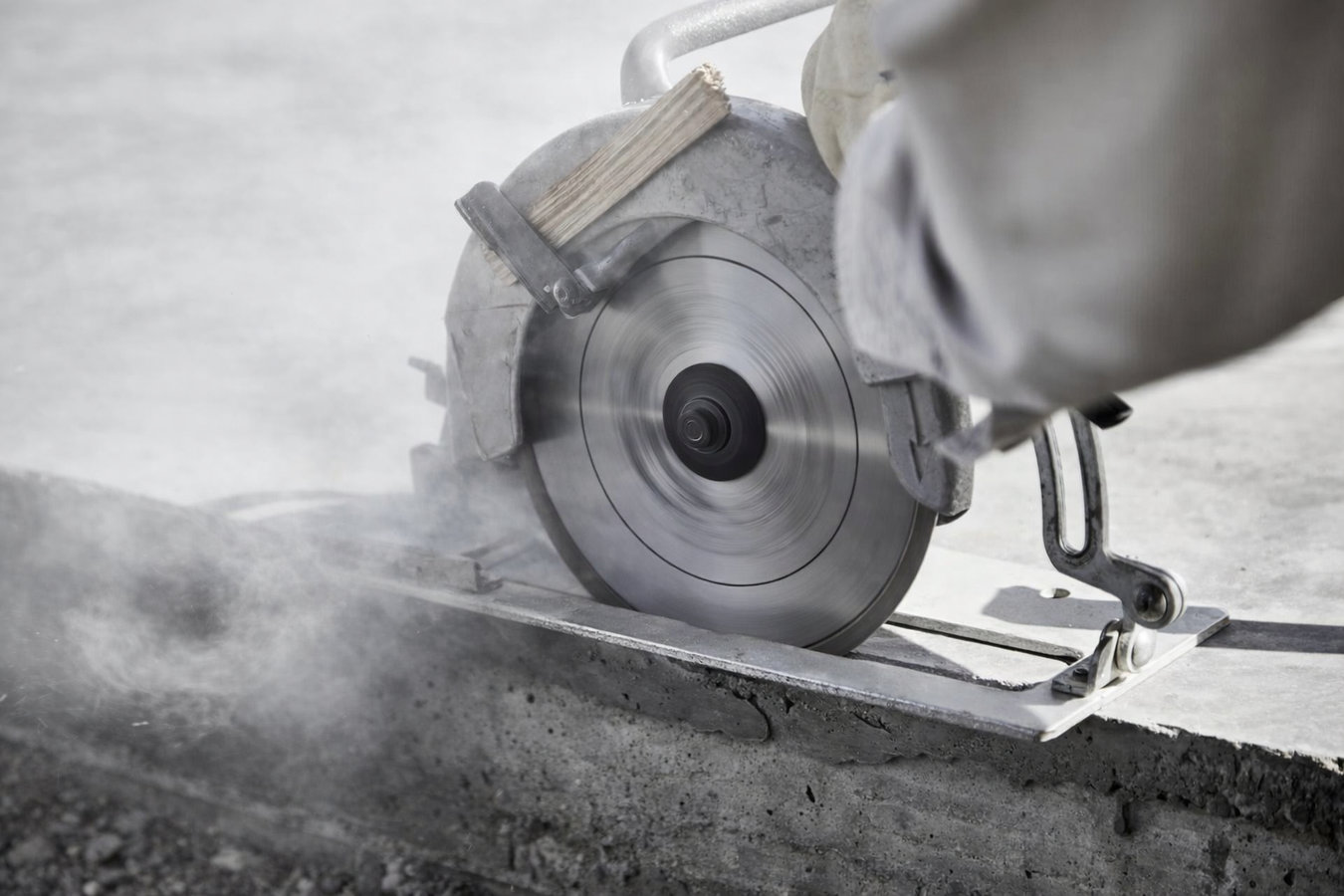
Concrete cutting in Orange, CA uses diamond-tipped saws to slice through hardened slabs cleanly and precisely for driveway removal, drain installation, utility access, and structural openings - most residential jobs are completed in a single day with straight edges ready for whatever comes next.
If you have a cracked driveway section that keeps opening back up, a garage floor that pools water, or a project that requires a new drain or utility line under an existing slab, concrete cutting is the first step. It is the difference between a clean repair and a patch job that fails in a year. In Orange, where many residential slabs date from the 1950s through the 1980s, the concrete itself has often hardened and shifted over decades, and the right equipment and technique matter. When a slab that has been cut and removed needs to be replaced with a new pour, our concrete driveway building service covers that next step.
Concrete cutting is not the same as breaking concrete with a jackhammer. A jackhammer creates rough, unpredictable edges that are difficult to bond to and often damage the surrounding slab. A diamond-blade saw creates a clean, straight cut that allows new concrete or a drainage channel to fit precisely. That distinction matters for the durability of whatever repair or installation follows.
If you have noticed cracks in your concrete that were small a year ago and are wider or longer now, patching alone will not hold. In Orange, the clay soil underneath many older slabs expands and contracts with seasonal moisture changes, which pushes cracks open over time. Cutting out the damaged section cleanly lets a proper repair bond to stable edges.
When concrete settles unevenly, it creates low spots where water collects instead of draining away. In Orange's dry climate this may not seem urgent, but when rain does arrive, standing water near your foundation causes real damage over time. Cutting a channel or installing a trench drain into the existing concrete is often the most effective fix.
Installing a garage floor drain, running a new gas or water line under a slab, or adding an outdoor kitchen with utility connections all require concrete cutting before any work can go in underneath. Trying to work around an uncut slab almost always creates bigger problems. The concrete needs to be opened cleanly first.
If part of your garage floor feels higher or lower than the rest when you walk across it, or if you can see a visible lip between sections, the slab has shifted. This is common in Orange's older neighborhoods where the soil underneath has moved over decades. Cutting out the affected section is usually the first step toward leveling and repairing the floor properly.
Every cutting job starts with a free on-site estimate. We look at the concrete, measure the area, assess the slab thickness and condition, and confirm what the cut is for before giving you a written quote. The estimate covers cutting, dust suppression, and debris removal. We do not add disposal charges after the fact. We also determine whether a City of Orange permit is required for your specific project and handle that process on your behalf if it is.
For homeowners dealing with cracked sections from soil movement, we cut the damaged area with clean, straight edges so that new concrete poured into the opening bonds properly to the stable slab around it. When the project involves a new drain installation or utility line, we coordinate with the next-phase contractor to make sure the channel dimensions are correct before we cut. For complete driveway replacements, our concrete driveway building service covers the full scope after removal. For parking areas and larger commercial surfaces, our concrete parking lot building service includes cutting and selective demolition as part of the project scope.
Dust control is a standard part of every job, not an add-on. Orange's dry climate means concrete dust travels further than it would in a humid environment. We use water suppression or vacuum-assisted cutting throughout the work to protect your landscaping, your vehicle, and your neighbors. The Concrete Sawing and Drilling Association sets the industry standards we follow for equipment and safety on every cut.
For driveway sections, patios, and garage floors where damaged concrete needs to be removed or a utility trench needs to be opened.
For homeowners installing a new floor drain or channel drain in a garage, patio, or driveway that currently has no drainage outlet.
For creating precise circular openings through slabs or walls for pipes, conduit, or utility connections that require exact dimensions.
For ADU conversions, garage conversions, and additions requiring a new doorway or opening through an existing concrete wall or stem wall.
A large share of Orange's residential neighborhoods were built between the 1950s and 1980s, which means driveways, garage floors, and patios in areas near Santa Ana, Garden Grove, and Anaheim are often 40 to 70 years old. Older concrete has had more time to harden, develop internal stress from soil movement, and accumulate hairline fractures that are not always visible on the surface. A contractor who cuts older slabs without accounting for those conditions risks cracking the concrete they are supposed to leave intact. We work on mid-century slabs every week and adjust blade speed and pass depth based on the material in front of us, not a one-size-fits-all approach.
Orange's clay-heavy soil creates another challenge. When soil shifts under a slab, the slab often develops stress fractures that radiate out from joints or low spots. Cutting into a slab that has already shifted requires identifying where those stress lines run before marking the cut, so that the sawing does not connect with an existing fracture and cause the surrounding concrete to crack. This kind of pre-cut assessment is part of every estimate visit. The OSHA Silica Standard governs the dust control methods we follow on every concrete cutting job in California.
HOA rules are also a reality in many Orange communities. If your project involves cutting concrete that is visible from the street, a shared driveway, or a common area, your HOA may require written approval before work begins. We provide documentation about the scope of work that homeowners can submit to their HOA board, and we factor the approval timeline into the project schedule before any work is committed.
When you call, we ask a few basic questions: what you are trying to accomplish, roughly how much concrete is involved, and where the work is on your property. We schedule a free site visit where we measure the area, assess the slab thickness and condition, and confirm whether a permit is required. You will hear back within one business day with a written quote.
If your project requires a permit from the City of Orange, we handle the application on your behalf. Permit processing adds a few days to a couple of weeks depending on the scope of work. Once approval is in hand, we schedule a firm work date, not a vague week-long window, so you can plan around it.
Clear the work area of vehicles, furniture, potted plants, and garden tools. If the work is near your home's interior, close windows and doors on that side to limit dust. Your contractor will ask you to identify any irrigation lines or utilities you are aware of in the work zone before cutting begins.
The crew marks the cut lines, sets up dust suppression, and cuts. Once the cuts are complete, they break removed sections into pieces and haul them away. Most residential jobs are done in a single day. Before leaving, we walk you through what comes next, whether that is a new concrete pour, a drain installation, or a city inspection for permitted work.
We visit your property, assess the slab, and give you a written estimate that covers cutting, dust control, and debris removal with no surprise charges at the end. We respond within one business day.
(657) 333-3989Mid-century concrete hardens and becomes more brittle over decades, and many Orange neighborhoods have slabs that are 40 to 70 years old. We adjust our approach on aged material, using slower pass speeds and checking for stress lines before marking cuts. The goal is a clean edge on the cut without damaging the concrete you are keeping.
Orange averages fewer than 15 inches of rain per year, and the dry air means concrete dust travels further and settles more persistently than in a humid climate. We use water suppression or vacuum-assisted cutting on every job as a baseline, not an add-on. Your landscaping, your vehicle, and your neighbors will not be coated in concrete powder when we leave.
Concrete cutting produces a significant amount of heavy debris, and the most common complaint homeowners have is finding out disposal is extra after work is done. Every estimate we provide includes debris removal. The number you agree to before work starts is the number you pay when the job is finished.
Projects that involve utility connections, structural openings, or drain installations almost always require a City of Orange Building Division permit before cutting begins. We have completed cutting projects throughout Orange and handle the permit application, coordination with the Building Division, and inspection scheduling on your behalf. Permitted work protects you at resale and with your HOA.
Concrete cutting is only as good as the edges it leaves behind. A ragged or cracked cut line creates a weaker bond for new concrete and a drainage channel that does not fit cleanly. We take the assessment, the setup, and the cut itself seriously because the quality of everything that comes after it depends on the cut being right the first time.
Once damaged sections are removed, a new driveway pour gives you a level, reinforced surface built for Orange's soil conditions and sun exposure.
Learn moreFor commercial and multi-unit properties where cutting and selective demolition are the first phase of a larger surface replacement or expansion.
Learn moreIf your project needs a City of Orange permit, the sooner we apply, the sooner we can schedule your work day. Call us now for a free on-site estimate and a written quote you can hold us to.