
Loading...
Serving Orange, CA and surrounding areas. (657) 333-3989
A slab foundation built for Orange means proper clay-soil prep, California-code seismic reinforcement, and city permits handled for you, so your structure starts on ground that will hold.
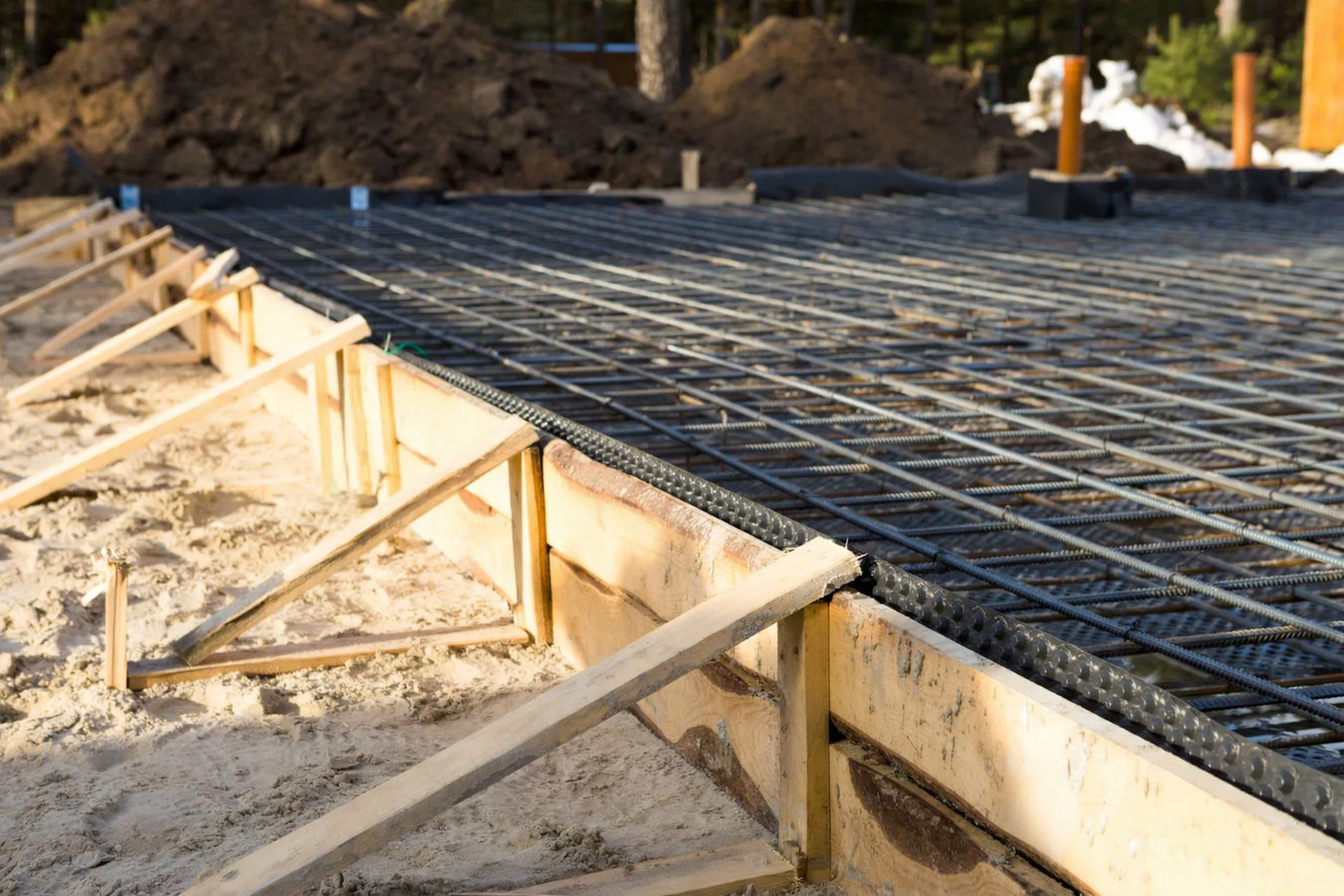
Slab foundation building in Orange, CA means grading and compacting the soil, installing a steel-reinforced concrete slab that meets California seismic requirements, and passing city inspection before any framing begins, with most residential pours completed in a single day once the permit is approved and the site is prepped.
Most homeowners in Orange come to us with one of two situations: they are adding a new structure to their property, whether a room addition, a detached garage, or an accessory dwelling unit, or they are replacing an older slab that has cracked or shifted over the years. In both cases, slab foundation building in Orange involves more preparation than most people expect, because the clay-heavy soils in parts of Orange County expand and contract with every wet-dry cycle and that movement is what causes slabs to fail. If your project also involves adjacent concrete work at grade level, our concrete footings service handles the perimeter supports that tie into the slab system.
Orange is also located in a high seismic zone, which means California's building code requires more steel reinforcement inside your slab than you would find in lower-risk parts of the country. That requirement is not optional, and a city inspector verifies it before the concrete is poured. Working with a contractor who understands both the local soil conditions and the seismic requirements is what separates a foundation that holds for 50 years from one that starts showing problems within a decade.
If you are adding a room, a detached garage, or an accessory dwelling unit, a concrete slab is almost certainly part of the project. This is the starting point, not a sign of a problem. The slab design will need to account for your specific lot's soil conditions and the load the new structure will carry.
Small hairline cracks in a concrete floor are common and usually cosmetic. Cracks wider than about an eighth of an inch, especially diagonal ones running from corners of doors or windows, or cracks where one side is higher than the other, signal foundation movement. In Orange, expansive clay soils are a common cause of this kind of shifting.
When a slab shifts, the frame of the house moves with it, and the first place most homeowners notice this is in doors and windows that suddenly stick, drag, or no longer latch. In Orange's climate, the dry summer months followed by winter rains cause soil to expand and contract enough to move a slab noticeably over a single season.
If a ball rolls on its own across your floor, or if certain spots feel springy when you walk across them, the slab beneath may have settled unevenly. This happens when soil was not properly compacted before the original pour, or when ground conditions have changed over time. It is worth having a contractor assess the situation before it worsens.
Every slab project starts with a site visit. We look at the lot, assess the soil, review any existing plans or drawings you have, and give you a written estimate that breaks out labor, materials, reinforcement, and permit fees separately. Nothing is added after the work starts. For new construction, that means grading the site, compacting the soil, laying a gravel drainage base, placing the moisture barrier, setting the steel reinforcement grid to city and California seismic code requirements, and completing the pour in a single day. A city inspector from the Orange Building Division visits before the pour to verify the steel placement. Once the concrete cures, a final inspection closes out the permit.
For homeowners adding accessory dwelling units, the process is the same but often involves working in a tighter footprint alongside existing landscaping, utilities, and structures. We plan access routes for the concrete truck, protect mature trees and irrigation lines, and coordinate the schedule around the city's current permit turnaround time. We also handle slab replacement projects where an older slab has cracked or settled beyond repair. In those cases, we demolish the existing concrete, haul it away, and pour a new slab built to current standards rather than the code that applied when the original was poured. Our concrete footings work integrates with slab projects where perimeter footings are required, and we can coordinate both under one scope. If your project also involves foundation-related structural concerns, our foundation installation service covers the full range of residential foundation types beyond slab-on-grade.
All slabs include proper curing management, which matters more in Orange's warm, dry climate than most contractors acknowledge. We take specific steps during the first week to keep the surface from drying out too quickly, because a slab that cures properly in Southern California stays smooth and structurally sound for decades.
Suits homeowners adding square footage to an existing structure, where the new slab connects to or extends from the existing foundation.
Designed for detached accessory dwelling units, with attention to lot setbacks, utility routing, and Orange city permit requirements.
A practical choice when building or replacing a stand-alone garage on an Orange residential lot, sized and reinforced for vehicle loads.
For older slabs that have cracked, settled, or heaved beyond repair, where resurfacing would only postpone a necessary rebuild.
Orange is in earthquake country, and California's building code requires foundations here to include steel reinforcement that exceeds what you would find in lower-seismic-risk states. That reinforcement must be placed correctly inside the form and verified by a City of Orange inspector before a single yard of concrete is poured. This is not a formality, it is the step that protects your home when the ground moves. A contractor who treats the inspection as a box-checking exercise rather than a quality checkpoint is a contractor worth reconsidering.
Parts of Orange also sit on expansive clay soils that swell when wet and shrink when dry. Orange County's wet winters followed by dry summers create exactly that cycle, year after year, and a slab poured on poorly prepared clay can develop cracks within a few years even if the pour itself was done correctly. Proper subgrade compaction, a gravel drainage layer, and a moisture barrier underneath the slab are the three steps that protect against this. They add some time to the prep work, but they are what make the difference between a slab that lasts a generation and one that needs attention within a decade. Homeowners in Anaheim and Santa Ana face similar soil and seismic conditions, and we apply the same preparation standards across all of the communities we serve.
Orange's older neighborhoods, including the blocks around Old Towne and Chapman University, present a different challenge: tight lots, mature trees, and aging utility lines that complicate site access for concrete trucks. Many homes in these neighborhoods were built in the 1950s and 1960s on slabs that predate modern seismic and soil standards. When those slabs are replaced, the work involves more planning than a straightforward new pour on a cleared lot. We have experience working in these established neighborhoods and with homeowners in Fullerton who face similar constraints.
We will reply within one business day. You share the basics, the size of the slab, what structure it supports, and whether you have existing drawings, and we schedule a site visit before giving you any price.
We visit your lot, assess the soil and access conditions, and deliver a written estimate that breaks out labor, materials, reinforcement, and permit fees separately. No line items appear after you sign.
We apply for the building permit with the City of Orange and schedule the required inspections. Once approved, we grade and compact the site, set the gravel base, install the steel grid, and confirm the city inspector signs off before the truck arrives.
The pour is typically completed in one day. We manage curing for the first week to prevent surface cracking in Orange's warm, dry weather. Once the concrete is ready, the city does a final sign-off and we hand you the closed permit.
We handle permits, inspections, and seismic requirements from start to finish. Free written estimates, no pressure.
(657) 333-3989We design and place steel reinforcement to California's seismic requirements for Orange's specific hazard zone, not to a generic standard that ignores local ground conditions. The city inspector verifies our reinforcement layout before every pour.
Before we form a single slab in Orange, we assess the soil on your specific lot and apply the subgrade compaction, gravel base, and moisture barrier combination that local clay soils require. Skipping this step is the most common cause of early slab failure in this region.
We apply for the City of Orange building permit ourselves and schedule every required inspection. You receive the signed permit card at completion, which is your proof the work was inspected and approved, and it matters if you ever refinance or sell. The California Contractors State License Board verifies our standing at cslb.ca.gov.
We have completed slab foundation projects in Orange, Anaheim, Garden Grove, Santa Ana, Fullerton, and throughout the surrounding communities. Local experience means fewer surprises when we encounter older utilities, mature trees, or tight lot setbacks.
Every slab we build in Orange is permitted, inspected, and prepared for the specific soil and seismic conditions under that property. Those are not marketing claims, they are the steps the city requires and the steps that separate a foundation that holds from one that does not.
The American Concrete Institute publishes the standards used by engineers and inspectors to evaluate slab placement and reinforcement, and the City of Orange Building Division manages the permit and inspection process for all foundation work in the city.
Full residential foundation installation for new builds and replacement projects, covering all foundation types beyond the standard slab-on-grade.
Learn moreConcrete footing work for perimeter supports, post bases, and structural connections that anchor to or extend from the main slab system.
Learn morePermit slots and pour schedules fill up quickly, especially during ADU season. Call now to get your site assessment on the calendar.