
Loading...
Serving Orange, CA and surrounding areas. (657) 333-3989
Decks, additions, and detached structures need footings built to Orange's seismic code and clay soil conditions. We handle permits, steel placement, and city inspection from start to finish.
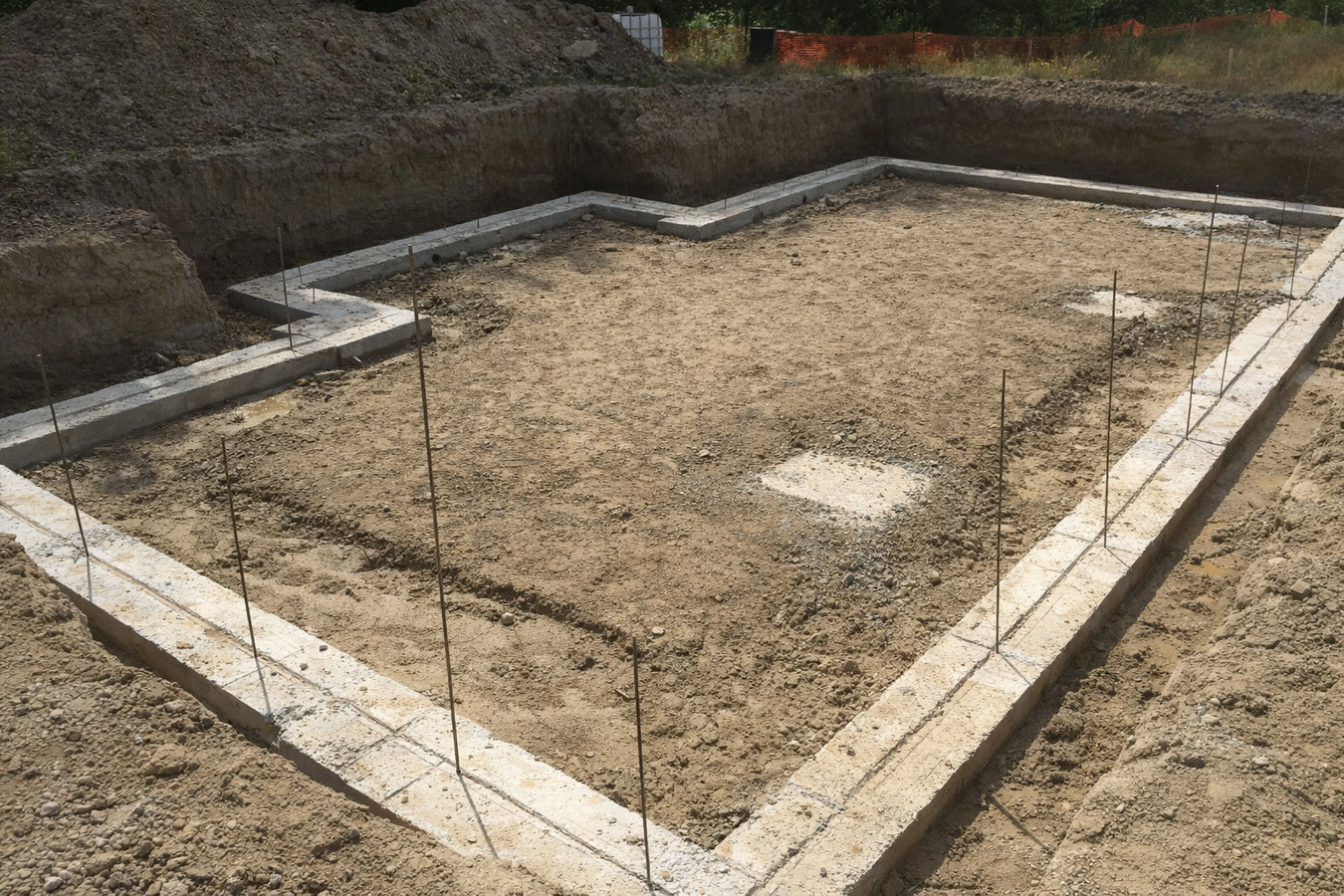
Concrete footings in Orange, CA are the below-grade base that holds up everything built above them, including decks, room additions, detached garages, retaining walls, and accessory dwelling units. The footing spreads the structural load across stable soil so the structure above does not sink, tilt, or crack over time. Most residential footing projects in Orange take one to two days of active work, with the full timeline running two to four weeks once the City of Orange permit process and curing period are included.
If you are planning any permitted structure on your property, the footing is not optional. It is the first thing the city inspector verifies before the concrete is poured, and it is the single element that determines whether everything above it stays level for decades or starts showing problems within a few years. The two factors that shape every footing project in Orange are the expansive clay soil conditions common in Orange County and the seismic reinforcement requirements that California's building code mandates for this zone. If you are building a full slab rather than individual footings, our foundation installation service covers that scope directly.
Many homes in Orange were built in the 1950s through 1970s, and backyard structures from that era were sometimes added without permits. If you are replacing or building over an unpermitted structure, the city will require new, code-compliant footings. A contractor who pulls the permit will identify this early so there are no surprises mid-project.
If you push on a fence post or deck post and it moves, or if you can see it is no longer straight up and down, the footing below it has likely failed. In Orange's clay-heavy soils, this often happens when the original footing was not deep enough to reach stable ground, or when years of wet-dry soil cycles have shifted it. A leaning structure is a safety issue, not just a cosmetic problem.
Horizontal or diagonal cracks near the bottom of a block wall, stucco wall, or concrete column are often a sign that the footing underneath has moved or settled unevenly. In older Orange neighborhoods where original construction may predate current standards, this is a relatively common finding. Cracks that are widening or accompanied by visible tilting need professional evaluation.
If you are adding a room, converting a garage, or building an accessory dwelling unit, new footings are almost certainly part of the project. The City of Orange requires footings to be designed and inspected as part of any permitted structural work. This is not optional and starting the permit process early is the best way to avoid delays.
Orange gets most of its rain between November and March, and if water consistently collects near the base of a retaining wall or structure after storms, it may be saturating the soil around the footing. Over time, water-saturated soil loses its ability to support the load above it. If you notice this pattern across two or three rainy seasons, it is worth having a contractor take a look before the footing shifts.
Every footing project starts with a free site visit. We look at the location, measure the area, assess the soil conditions, and review any existing plans before giving you a written estimate. Once permitted, we excavate to the depth specified on the approved plans, place steel reinforcement to California seismic code, and schedule the required city inspection before the pour. The inspector visits after the trenches are dug and steel is in place but before any concrete is poured. This is a required stop that gives you an independent set of eyes on the work before it becomes permanent.
For projects where footings are part of a larger scope, such as a room addition or ADU, we coordinate the footing schedule around the overall permit timeline so the project does not sit idle. In Orange's warm, dry weather, we protect fresh pours with wet curing or curing blankets to prevent rapid evaporation, which is one of the most common ways concrete loses strength before it reaches full cure. We also handle projects where our foundation raising work is needed first to bring an existing structure back to level before new footings are poured. If the project involves a full new slab rather than individual footings, our foundation installation service covers that scope.
For older Orange homes where a backyard structure was built without permits, replacing it means new footings to current standards. We are experienced with the City of Orange's permit process for these situations and can identify what the city will require before you commit to a timeline and budget.
For homeowners adding a covered patio or wood deck to an Orange property, with permits and inspection handled by us.
For load-bearing additions where the footing must meet current seismic and soil requirements as verified by the City of Orange inspector.
For homeowners building a detached garage or accessory dwelling unit on their lot under Orange's current ADU permit guidelines.
For properties where an existing structure was built without permits or on footings that no longer meet current code, requiring new code-compliant work.
Orange sits in a high seismic hazard area, and California's building code requires footings here to be designed with earthquake forces in mind. That means more steel reinforcement than you would see in lower-risk states, and a mandatory city inspection before the concrete is poured. The California Geological Survey publishes seismic and soil hazard maps for Orange County that licensed contractors reference when designing footings for local projects. A contractor who has not worked in this area may not account for these requirements correctly in their scope or their pricing.
Parts of Orange also sit on expansive clay soils that swell when wet and shrink when dry, a cycle that repeats every year with winter rain and summer heat. Footings that were not designed for this movement can tilt or crack within a few years, even if everything above them looks fine at first. Many of Orange's established residential neighborhoods, including areas near Anaheim, Fullerton, and Santa Ana, have housing stock from the 1950s and 1960s where older backyard structures were built on footings that predate current standards.
Orange's warm, dry climate also affects how fresh concrete behaves during curing. Concrete poured in hot, dry conditions can lose surface moisture too quickly, which reduces the finished footing's strength. We protect every pour with appropriate curing methods for Southern California conditions, which is especially important during the summer months when most homeowners want to schedule construction work. The American Concrete Institute sets the curing and placement standards we follow on every project.
We visit your property, look at the location, assess soil conditions, and review your plans or drawings before writing a quote. Most site visits take 30 to 60 minutes. You will hear back within one business day with a written estimate that breaks out labor, materials, steel, and permit fees separately.
We apply for the building permit through the City of Orange Building Division on your behalf. Permit processing ranges from a few days for simple projects to a few weeks for larger ones. The permit is issued to your property, so it is your legal protection as the homeowner, not just a formality.
We dig the trenches to the depth on the approved plans, place steel reinforcement inside them, and schedule the city inspector. The inspector visits before any concrete is poured to verify depth, width, and steel placement. This required stop is what gives you confidence the work meets Orange's standards.
Once the inspection passes, we pour the concrete, level the top surface, and apply curing protection suited to Orange's warm weather. The footing can support construction activity within a few days, though full strength takes about 28 days. We tell you exactly when building on top can begin so your project stays on schedule.
We handle the City of Orange permit process from start to finish and do not pour until the inspection passes. Call us or submit a message and we will respond within one business day.
(657) 333-3989In Orange, a city inspector must verify the steel placement and trench dimensions before any concrete is poured. We schedule this inspection as a routine part of every project. We have never had a footing fail inspection in Orange, which means your project stays on schedule and you do not pay to redo work that was not done right the first time.
Orange is in a high seismic hazard area, and state code requires footings here to include more steel reinforcement than lower-risk regions. We place rebar to the specifications on the approved plans, not to a minimum standard. The difference shows up during an earthquake or after years of seasonal soil movement. The California Geological Survey maps the local hazard zones our work accounts for.
Parts of Orange sit on expansive soils that move with the seasons, and that movement can tilt or crack footings that were not designed for it. We assess the soil conditions at your specific site during the estimate visit and adjust the depth and base preparation accordingly. This is priced into your quote, not added as a change order after work begins.
We have completed footing projects throughout Orange and neighboring cities including Anaheim, Fullerton, and Santa Ana. We know the City of Orange Building Division's permit process, typical turnaround times, and what their inspectors look for. That familiarity keeps your timeline predictable and your project moving without unnecessary delays.
Concrete footings are one of those parts of a project where cutting corners is invisible right after the pour and very visible a few years later. The permit process, the steel placement, and the soil assessment are not add-ons. They are what the city requires and what makes the difference between a structure that holds and one that needs remediation.
For homes where an existing foundation has settled unevenly and needs to be lifted back to level before new footings or structure work can begin.
Learn moreFull residential slab pours for new construction, room additions, and ADUs, with the same permit-first process as our footing work.
Learn morePermit turnaround at the City of Orange can take one to two weeks, so the sooner you call, the sooner we can schedule your inspection and pour. Reach out today for a free site visit and written estimate.