
Loading...
Serving Orange, CA and surrounding areas. (657) 333-3989
Your garage, patio, or interior slab is cracked, uneven, or decades past its prime. We install new concrete floors in Orange that start with the right subgrade prep and finish the way you want them.
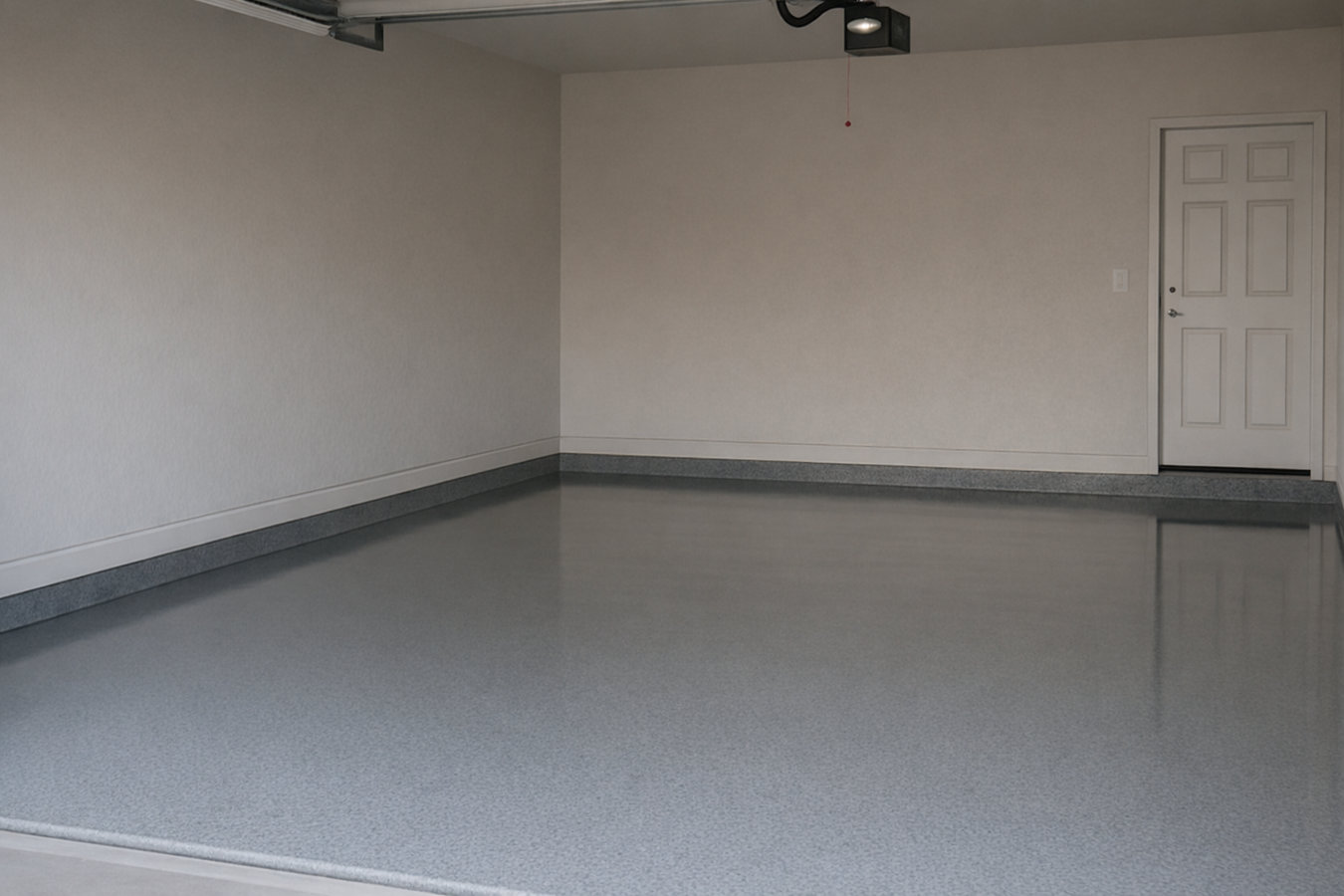
Concrete floor installation in Orange, CA involves removing the old slab, grading and compacting the soil underneath, laying gravel and steel reinforcement, then pouring and finishing the surface to your specification, most residential garage and patio floors wrap up in two to three days on-site.
A significant share of Orange's housing was built between the 1950s and 1970s, which means a lot of original concrete floors are now approaching or past 60 years old. When cracks are wide enough to catch a coin edge, sections are uneven, or the surface is flaking apart, patching buys time but rarely fixes the underlying problem. If you also have outdoor areas that need attention, our concrete pool decks service handles that work under the same project scope.
The subgrade is the part of the job most homeowners never see and most contractors rush through. In Orange, the clay soil moves through every wet and dry season. Skipping proper compaction and a gravel drainage layer means the new slab inherits the same problem that cracked the old one. We do not skip those steps, and the city inspection that comes with every permitted floor confirms it.
If you can fit a coin edge into a crack, or if cracks run in a branching pattern across a large section, the slab is telling you something is wrong underneath. In Orange this is often caused by the clay soil shifting through years of wet and dry cycles. Surface patching does not address what is happening below.
If you notice a lip or step where two sections of floor meet, or water pools in one spot, the slab has settled unevenly. This is a tripping hazard and usually means the ground beneath has shifted, a common issue in older Orange neighborhoods where original subgrade preparation may not have met today's standards.
If the top layer of concrete is peeling off in chips, or the surface looks rough and pitted, the slab has reached the end of its useful life. Surface deterioration means the floor is weakening from the top down and will continue to get worse regardless of how often it is patched.
Homes built in Orange during the postwar building boom often have original concrete slabs now approaching or past 60 years old. If your garage floor or patio has never been replaced and you are starting to see any of the signs above, it is worth a contractor's honest assessment before the problems compound.
The most common concrete floor projects we handle in Orange are garage floors, covered patio slabs, and interior utility floors. Each starts the same way: tear out the old slab, grade and compact the subbase, lay gravel for drainage, add steel reinforcement, pour, and finish. For a four-inch residential garage floor, the pour itself usually takes a few hours. Heavier-use floors, like workshop spaces that will hold equipment, go to five or six inches. We cut control joints into every slab before the concrete sets so that if the floor ever does crack, it cracks where we intend it to, not randomly across your surface.
The finish you choose is where the slab becomes specific to your space. A broom finish is the standard for garages and outdoor areas because it is skid-resistant and needs no special care. For patios and entertainment areas, stamped and colored concrete can match stone, tile, or brick at a fraction of the cost of natural materials. If you are adding a new garage slab as part of a larger project, our garage floor concrete service covers that scope directly, including epoxy coating and surface sealer options.
We pull every permit the City of Orange requires before a single shovel goes in the ground. The city inspector visits before final sign-off, which means your new floor has documented, inspected work on record. Written estimates break out demolition, subgrade prep, materials, labor, and permit fees separately so you know exactly what you are agreeing to.
Best for garages, utility areas, and covered patios where skid resistance and durability matter more than aesthetics.
Suits patios and outdoor living areas where the homeowner wants a decorative surface without the maintenance demands of tile or natural stone.
A good fit for indoor spaces being converted to living or workshop use where a smooth, cleanable surface is the priority.
Ideal for workshops, detached garages, or any space that will hold heavy equipment requiring a five- or six-inch pour.
Orange's clay-heavy soil is the most important factor in how long a concrete floor lasts here. The soil expands when Orange's winter rains arrive and contracts during the long dry months. That cycle puts upward and lateral pressure on slabs from below. A contractor who does not account for this will compact the subgrade minimally and skip the gravel drainage layer, and you will be looking at the same cracks and settling in ten years that you replaced today. The Portland Cement Association's guidelines on subgrade preparation make clear that the ground underneath is as important as the concrete itself.
A large portion of Orange's single-family homes were built between the 1950s and 1970s, and many of those original slabs are still in place. At that age, especially in a clay soil environment, full replacement is often the more cost-effective long-term decision compared to repeated patching. We will tell you honestly which option makes more sense for your specific floor rather than defaulting to the more expensive job. Homeowners in Garden Grove and Fullerton are dealing with the same postwar housing stock and the same soil challenges, and we serve both cities regularly.
Orange's mild, dry climate is mostly favorable for concrete work. Temperatures between roughly 65 and 85 degrees are close to ideal for curing. The main scheduling consideration is the rainy season from November through March. We plan projects around the local weather calendar and communicate clearly if conditions require adjusting the pour date.
We reply within one business day. We ask about the space, current condition, and what finish you have in mind, then schedule a free on-site visit. No honest contractor can quote a concrete floor without seeing the existing slab and the amount of demolition and prep involved.
After the site visit you receive a written estimate that breaks out demolition, subgrade prep, materials, labor, and permit fees separately. If a city permit is required, we explain the City of Orange process and build the approval timeline into your start date so there are no surprise delays.
The crew removes the old slab, grades and compacts the subbase, lays gravel and reinforcement, and pours the concrete. You will need the area fully cleared before the crew arrives. The pour itself typically takes a few hours for a standard garage or patio, and control joints are cut the same day.
The city inspector visits within a few days to sign off on permitted work. Your contractor coordinates that visit. The floor is ready for foot traffic within 24 to 48 hours and ready for vehicle weight or heavy use after about seven days. We do a final walkthrough and answer any questions before we leave.
Free on-site estimate. City of Orange permit handled for you. Honest advice on repair vs. replacement. No obligation.
(657) 333-3989We tell you straight whether your floor needs a full replacement or whether a repair will genuinely hold up. Many of Orange's mid-century homes have original slabs that are candidates for patching, and many are not. We explain the difference and let you decide, not recommend the more expensive option by default.
Orange's clay soil is the leading cause of slab failure in the area. We compact the subgrade to current standards and lay the gravel drainage layer on every job, not just the ones where it is obvious. That is the work that determines whether your floor lasts 10 years or 40.
We pull the City of Orange permit before any demolition begins and schedule the city inspection as part of the job. You will have inspected, documented work on record, which protects your home's value if you ever sell or refinance. Unpermitted concrete work can become a real problem at closing.
Our California contractor's license is active and searchable through the California Contractors State License Board website. You can verify it before you sign anything. A licensed contractor is legally required to carry liability insurance and workers' compensation throughout your project.
The American Concrete Institute sets the industry standards for subgrade preparation, slab thickness, reinforcement, and control joint spacing. We follow those standards on every residential floor we install in Orange, and the city inspector's sign-off confirms the job was done correctly before we close it out.
Extend your project to the outdoor pool area with a slip-resistant, UV-stable concrete deck that ties into your new slab.
Learn moreSpecialized garage floor replacement with coating and sealer options designed for vehicle traffic and Southern California conditions.
Learn moreOrange's rainy season makes scheduling tighter from November onward. Call or submit a request today and we will get your estimate on the calendar this week.