
Loading...
Serving Orange, CA and surrounding areas. (657) 333-3989
Cracked, hollow, or uneven garage floors are common in older Orange homes. We pour new concrete garage floors that pass city inspection, handle local soil conditions, and hold up through decades of Southern California heat.
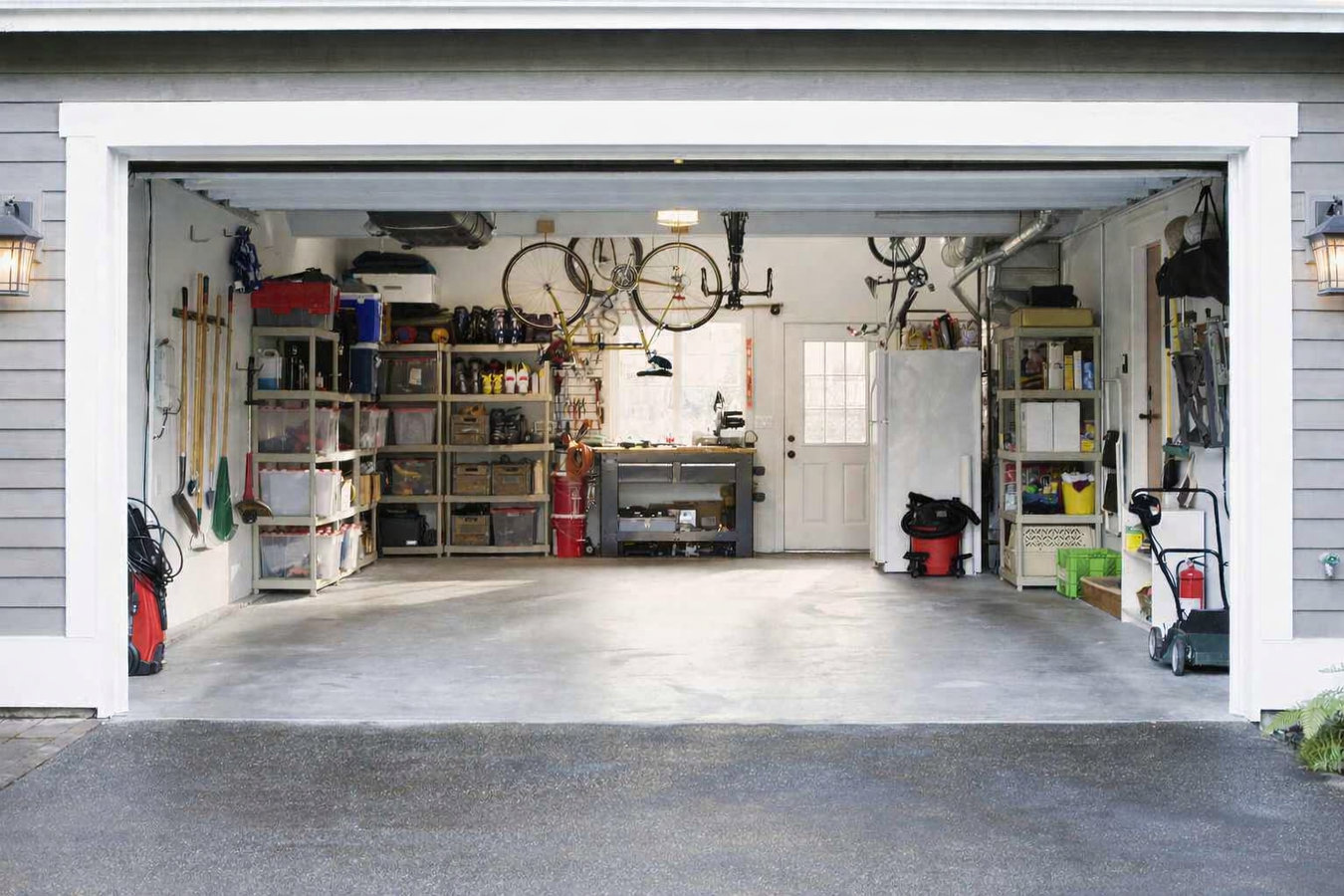
Garage floor concrete in Orange, CA means removing the old slab or preparing the surface, pouring fresh concrete, and finishing it to a smooth, level surface that cures hard - most full replacement projects take one to three days of active work, with a seven-day wait before you can park a car on it.
Many homeowners in Orange are working with garage floors that are 40 to 70 years old, poured thinner than today's standards and often without a moisture barrier underneath. When you see cracks that have widened over time or sections that sound hollow when you tap them, the slab is telling you something is wrong below the surface. A surface patch buys time; a properly prepared replacement solves the problem. If your project also includes interior flooring beyond the garage, our concrete floor installation service covers that work as well.
The prep work before a single drop of concrete is poured is what separates a floor that lasts from one that cracks within a few years. Soil compaction, gravel base depth, vapor barrier placement, and pour timing in Orange's hot summers are all decisions that happen before the truck arrives.
Hairline cracks that have stayed the same for years are often cosmetic. Cracks that are visibly wider than a pencil, that branch, or that show one section sitting higher than another are a sign the slab is actively moving. In Orange, clay-heavy soil in some neighborhoods expands and contracts with seasonal moisture changes, putting ongoing stress on the slab from below.
Knock on your garage floor in a few different spots with your knuckle or a rubber mallet. A hollow sound instead of a solid thud means the concrete has separated from the ground underneath, leaving a void below the surface. This is more common in older Orange homes where the original subbase was not compacted well, and it puts the floor at risk of cracking or sinking under vehicle weight.
A properly poured garage floor slopes slightly so water runs toward the door or a drain. If puddles sit on your floor after it rains or after washing a car inside, the floor has either settled unevenly or was never graded correctly. Standing water accelerates surface damage and works its way under the slab over time.
If the top layer of your concrete chips off in flakes, leaves a powdery residue on your shoes, or absorbs oil stains almost instantly, the surface has broken down past the point where cleaning or sealing helps. This kind of deterioration is common in Orange garages that are 30 or more years old, especially if the original pour was never sealed.
Every garage floor project starts with an honest assessment of what you have now. For floors with minor surface damage, staining, or shallow pitting, resurfacing is a faster, less expensive path: we prepare the existing surface and apply a fresh layer that restores appearance and function without a full demolition. For floors that are cracked through, hollow, or uneven, a full replacement is the right answer. We break out the old slab, haul away the debris, compact and prepare the subbase, and pour a new slab to current thickness standards.
On the finish side, a plain broom finish is the most popular and practical choice for most Orange homeowners. If you want more from your garage floor, we also offer decorative concrete finishes including epoxy coatings, exposed aggregate, and colored concrete that add durability and visual appeal. These options are worth considering if you use your garage as a workshop, gym, or finished living space.
Every quote includes a written breakdown of what is included: slab thickness, base preparation details, finish type, permit fees, and timeline. We handle the City of Orange permit application from start to finish. You will not be surprised by add-ons after work has started.
Best for floors that are cracked through, hollow, or unevenly settled where surface repairs will not hold.
Suits floors with surface-only damage - staining, shallow pitting, or cosmetic deterioration - where the underlying slab is still structurally sound.
The practical choice for homeowners who want a clean, skid-resistant floor at a straightforward price point.
Ideal for garages used as workshops, home gyms, or finished spaces where appearance and easy cleaning matter.
A large share of Orange's housing stock was built between the 1950s and 1980s, which means many garage floors in the city are 40 to 70 years old. Slabs from that era were often poured thinner than current standards and may lack proper reinforcement or a vapor barrier underneath. If your home was built before 1990, the odds are good that you need a full replacement rather than a surface patch. An in-person inspection before any quote is the only honest way to know.
Orange also sits in a region where some neighborhoods have clay-heavy soil underneath the surface. Clay expands when wet and shrinks when dry, and that movement is one of the most common causes of cracking in concrete slabs here. The solution is proper subbase preparation before the pour, not a thicker slab on top of unstable ground. We work throughout Orange and regularly see this issue in neighborhoods from Anaheim to Santa Ana.
Orange's hot, dry climate introduces its own challenge: concrete poured in high heat loses moisture too quickly and ends up weaker than it should be. This is particularly relevant from late spring through early fall when temperatures regularly exceed 80 degrees. We schedule pours for early morning during warm months and apply curing compounds or blankets immediately after finishing. Homeowners in Garden Grove and surrounding cities face the same conditions, and the same care applies on every job we do in this area.
We will ask about your garage size and what you have noticed, then schedule an in-person visit. No contractor can give you an accurate price without seeing the actual condition of your floor - we do not quote over the phone.
We inspect the existing floor, check for hollow spots, assess drainage slope, and look at what is underneath. You get a written quote that explains what will be done and why, with no pressure to decide on the spot. We reply to all estimate requests within one business day.
For a full slab replacement in Orange, we pull the City of Orange building permit before work begins. This typically takes a few business days to a week. We handle the application; you just confirm you know it is happening.
You empty the garage before the crew arrives. We remove the old slab, compact and prepare the subbase, pour and finish the new floor, and apply curing protection suited to Orange's climate. We give you specific dates for when you can walk on it and when you can park.
We come to you, assess the floor in person, and give you a written quote with no obligation. Most homeowners hear back within one business day.
(657) 333-3989We pull the building permit for every full slab replacement in Orange. That means a city inspector reviews the work before it is signed off, giving you a paper trail that protects your home's value and your ability to sell or insure it later.
Clay-heavy soil is common in Orange County and is the leading cause of slab cracking here. We assess what is underneath your garage floor before we pour and build the subbase accordingly, not just to the minimum spec. That is the difference between a floor that holds for 30 years and one that cracks in five.
Orange averages fewer than 15 inches of rain per year and sees many days above 80 degrees from spring through fall. We schedule pours for early morning during warm months and apply curing blankets or compounds immediately after finishing. Ask us about this during your estimate, it is standard practice on every job we do here.
You can look up any contractor's California license on the Contractors State License Board website in 30 seconds. We hold an active license and carry general liability insurance and workers' compensation on every crew. A contractor without these things puts you at financial risk if something goes wrong on your property.
Every one of these points connects to the same outcome: a garage floor that passes inspection, holds up to local conditions, and does not give you a reason to call anyone back within the first decade. That is what we are building toward on every project in Orange. Verify any California contractor's license on the CSLB website before signing a contract for any concrete work.
Transform a plain garage or outdoor slab with stamped patterns, color, or exposed aggregate finishes that hold up to Orange County sun.
Learn morePoured concrete floors for interior spaces beyond the garage, including ADUs, workshops, and additions throughout Orange.
Learn moreWe are booking projects in Orange now. Call or request an estimate online and hear back within one business day, before summer heat makes scheduling tighter.