Loading...
Serving Orange, CA and surrounding areas. (657) 333-3989
Cracked asphalt, muddy gravel, or bare dirt won't cut it. We build permitted concrete parking lots in Orange that drain correctly, handle the heat, and stay solid for decades.
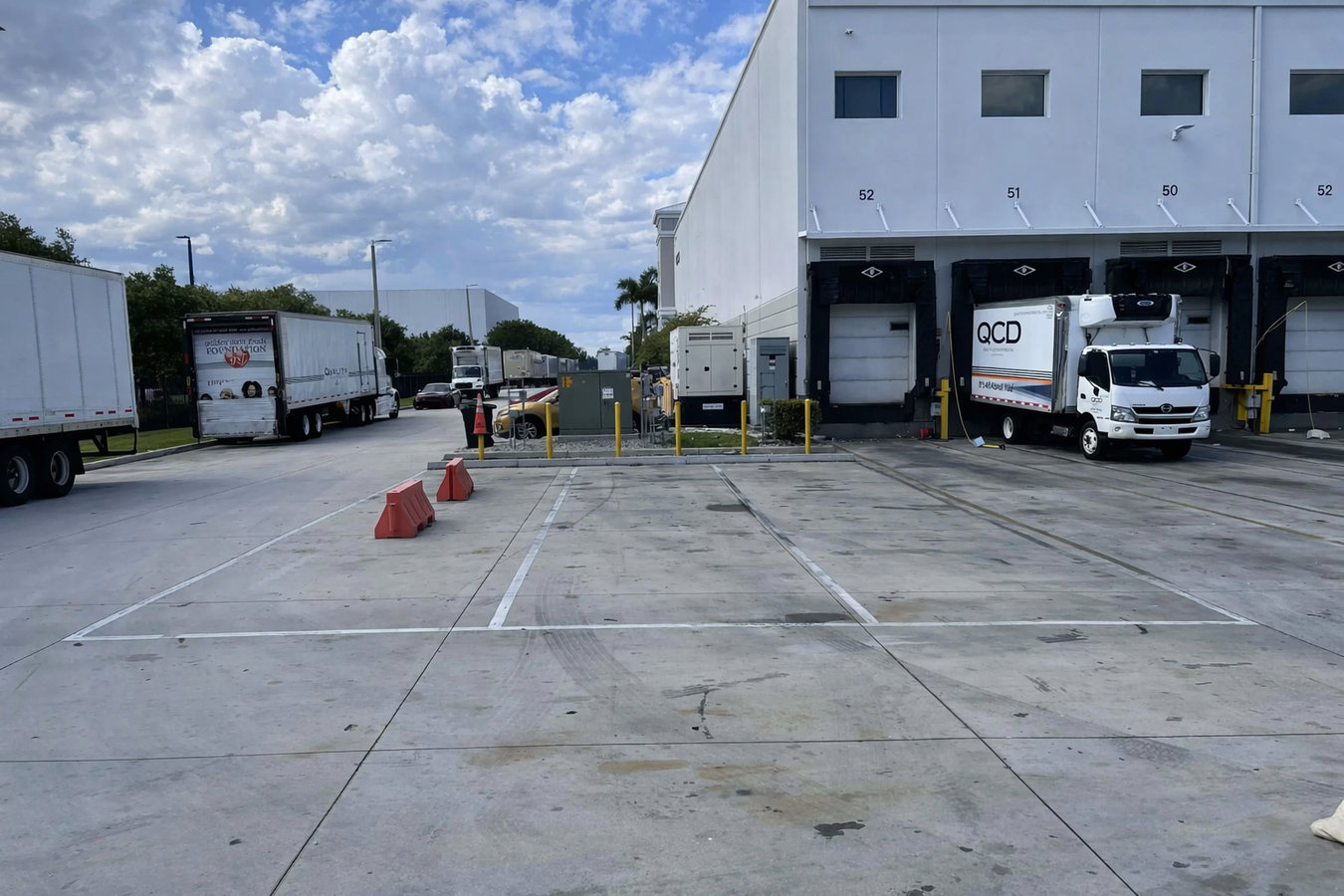
Concrete parking lot building in Orange, CA means removing what is there now, preparing a compacted base that accounts for the local soil conditions, pouring a reinforced slab with proper drainage slope built in, and completing a city permit inspection before the lot is opened to traffic. Most small to mid-size projects run two to five days of active work, with a curing period of three to seven days before the surface is ready to drive on.
If you have an existing asphalt lot that has been patched several times without lasting results, or a gravel or unpaved area that turns into mud after rain, a properly built concrete surface solves those problems permanently. Concrete parking lots in Orange outlast asphalt by a wide margin because they do not soften in summer heat and do not require the regular sealing and resurfacing that asphalt demands. For commercial properties where consistent drainage and surface durability matter, many owners pair a new lot with our concrete driveway building work to create a unified, low-maintenance surface from the street all the way to the structure.
The City of Orange requires a permit for new parking lot construction, and experienced contractors handle that process on your behalf. Getting the permit is not just a formality. It ensures the drainage design meets city grading standards and gives you official documentation if you ever need to sell the property or file an insurance claim.
Cracks wider than a pencil, sections that have shifted up or down, or edges that are breaking apart have gone past the point where patching will hold. In Orange, where the soil shifts with seasonal wet-dry cycles, these cracks often accelerate once they start. Waiting typically makes the project larger and more expensive, not smaller.
Standing water after a rain event is a sign the drainage was never designed correctly or has stopped working. In Orange, heavy rain comes in short bursts and a surface that holds water will deteriorate faster while creating slip hazards for anyone using the lot. Correct drainage slope is one of the first things we build into every project.
If you are dealing with an unpaved area that turns muddy in winter and dusty in summer, a concrete lot solves all of those problems at once. Many older properties in Orange still have unpaved or partially paved areas that were never finished, and replacing them with concrete adds both function and property value.
Asphalt with alligator-pattern cracking across large areas, or sections that feel soft underfoot in hot weather, has reached the end of its life. In Orange's warm climate, asphalt degrades faster than in cooler regions. At some point, replacing it with concrete is more cost-effective than continuing to patch a surface that keeps failing.
Every parking lot project starts with a site visit. We look at what is there now, check the slope and drainage, and assess the soil conditions before quoting. The base preparation is where most parking lots fail - we excavate to the right depth, compact a crushed rock or gravel base, and grade for drainage before a single yard of concrete is poured. Control joints are cut into the surface after the pour so the slab has a controlled place to flex with temperature changes rather than cracking randomly across the surface.
We handle the City of Orange permit from start to finish, including the grading and drainage plan submission and the final city inspection. For properties that are adding a new accessory structure or expanding an existing footprint, parking lot work is often scheduled alongside the structural concrete. Our concrete footings work addresses the below-grade foundation elements on those same projects, and our concrete driveway building service covers the connecting surface from the street to any new lot, so everything is built consistently and with a single contractor managing the scope.
For homeowners who want a decorative finish on their parking surface, we offer standard broom finish, exposed aggregate, and stamped patterns. Plain concrete is the most durable and lowest-maintenance choice for high-traffic areas, but decorative options are available for residential properties where curb appeal matters alongside function. We will tell you honestly which finish suits the use case best before you commit to anything.
For homeowners replacing failed asphalt or unpaved surfaces on their property, with full permit handling and drainage design included.
For small business owners and property managers needing a durable, permitted concrete surface that handles vehicle traffic and drains correctly.
For ADU projects, garage additions, or new construction where a parking surface is required as part of the overall permit package.
For properties with aging asphalt that has been repaired multiple times, replacing the surface permanently with concrete to eliminate ongoing maintenance costs.
Orange summers regularly reach the low 90s, and concrete poured in peak heat can lose surface moisture too quickly before the slab has fully hardened, leading to cracking. Experienced contractors in this market schedule pours for early morning hours during summer months and take specific steps to keep the fresh slab moist while it cures. That detail matters more than most homeowners realize, and it is one of the reasons hiring someone familiar with Southern California conditions produces a better result than hiring on price alone. The American Concrete Pavement Association publishes guidance on concrete paving in warm climates that professional contractors use as a baseline for hot-weather pours.
Parts of Orange sit on expansive clay soils that swell when wet and shrink when dry. That seasonal movement is one of the main reasons parking lots in this area crack or shift if the subgrade work was not done correctly. The City of Orange also requires permits for new lot construction, and compliance with the city's drainage and grading standards is not optional. We are familiar with the permit process through the City of Orange Building Division and have completed projects in multiple neighborhoods across the city, including areas near Anaheim, Santa Ana, and Garden Grove.
Many neighborhoods in Orange are governed by homeowners associations, and some HOAs have rules about paving materials, finishes, or even concrete color. It is worth checking with your HOA before signing a contract, because approval after the work is done is far more complicated than getting it upfront. We have worked in planned communities throughout the area and can help you understand what documentation an HOA typically requests before approving this type of project.
We come to your property, look at what is there, check the slope and drainage, and ask how the lot will be used. A parking lot quote based only on square footage without a site visit is not reliable. You will hear back within one business day with a written estimate that breaks out every line item.
We apply for the required permit from the City of Orange Building Division on your behalf. Processing typically takes one to two weeks. This step is required by city code, and we handle the paperwork so you do not need to navigate city hall yourself.
We remove the existing surface, excavate and compact the base, set forms, and pour the slab. In Orange's warm weather, pours are typically scheduled for early morning. We cut control joints after the pour and apply a curing compound to protect the surface while it hardens.
The lot needs three to seven days before any traffic and about 28 days to reach full strength. Once the city inspector signs off and the concrete is ready, we walk the finished lot with you, explain the control joints and drainage slope, and tell you what routine maintenance looks like.
We pull the permits, manage the city inspection, and deliver a written estimate before any work begins. Call us or send a message and we will respond within one business day.
(657) 333-3989Every parking lot project we do in Orange goes through the City of Orange Building Division permit process. That means the drainage design has been reviewed, the finished work has been inspected, and you have official documentation that protects you if you ever sell the property or file an insurance claim. We never suggest skipping this step.
A parking lot that holds water after rain will fail faster and create a slip hazard right outside your door. We grade every slab with the correct slope so that Orange's winter rain events shed cleanly from the surface. This is not an upgrade. It is a standard part of how we build.
Parts of Orange sit on expansive clay that can shift a slab out of level if the base was not built to handle it. We assess the soil conditions at your specific site during the estimate visit and price the subgrade work accordingly, so there are no mid-project surprises about what is underneath.
You can verify any California contractor's license through the California Contractors State License Board at{" "} cslb.ca.gov in about two minutes. For concrete work in Orange, look for a current C-8 classification. Our license is current, active, and in good standing.
Concrete parking lots are one of those projects where the difference between good work and poor work is mostly invisible right after the pour and very visible two or three years later. Proper base preparation, correct drainage slope, and a permitted project that passes city inspection are what separates a lot that holds from one that cracks, pools water, or creates headaches at resale.
Below-grade footings for structures being built alongside or adjacent to a new parking surface.
Learn moreThe connecting surface from the street to your lot, built to the same drainage and permit standards.
Learn moreScheduling a site visit now means we can pull the permit, complete the base work, and pour before peak heat makes scheduling tighter. Call or send a message today.